Introduction
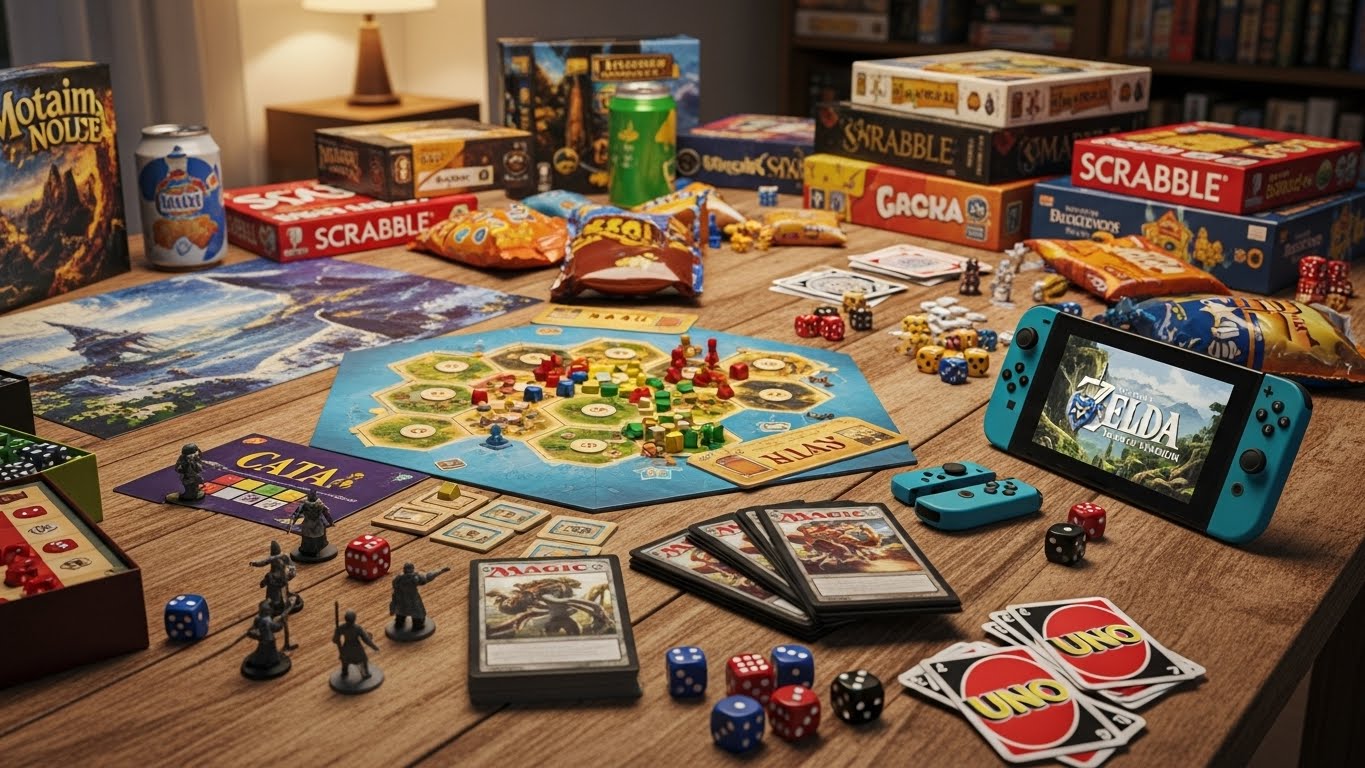
Games have always been an inseparable part of human culture. From the earliest board games carved into stone to today’s complex digital worlds, games have fascinated, challenged, and connected people across generations. They are more than just entertainment; they are reflections of creativity, strategy, and social interaction. Whether played on a field, a board, or a screen, games continue to evolve with technology while maintaining their core essence—fun, challenge, and connection.
The Ancient Roots of Gaming
The history of games stretches back thousands of years. Archaeological discoveries reveal that ancient civilizations like Egypt, China, and Mesopotamia enjoyed structured play. The Egyptian game Senet, for example, dates back more than 5,000 years and is believed to represent the journey of the soul through the afterlife. Similarly, ancient Chinese games like Go and early forms of chess from India laid the foundation for modern strategy games.
These early forms of play were not only for amusement but also for teaching strategy, patience, and decision-making. They reflected societal values and beliefs, showing that games were as much about mental exercise and cultural expression as they were about fun.
The Birth of Modern Games
The industrial age brought significant changes to the way people played. As urbanization grew, leisure activities began to shift indoors. Board games like Monopoly, Scrabble, and Clue became popular household staples, offering families a way to connect and compete in friendly ways. The twentieth century also witnessed the emergence of organized sports as forms of competitive gaming, such as football, basketball, and tennis, which fostered teamwork and discipline.
These developments marked the beginning of structured gaming industries. Companies began producing commercial games, and innovations in printing and manufacturing made them widely accessible. The seeds of today’s global gaming culture were planted in this period of creativity and social transformation.
The Digital Revolution in Gaming
The second half of the twentieth century marked a new era—the rise of digital games. In the early 1970s, arcade machines like Pong and Space Invaders sparked a cultural phenomenon. These simple yet addictive games laid the groundwork for the modern video game industry. As home computers and consoles became affordable, gaming shifted from public arcades to private living rooms.
The 1980s and 1990s were defined by iconic titles like Super Mario Bros., The Legend of Zelda, and Sonic the Hedgehog. These games combined storytelling, creativity, and technical innovation in ways never seen before. Developers realized that games could evoke emotion, tell compelling stories, and create unforgettable worlds.
The Rise of Console and PC Gaming
By the late 1990s and early 2000s, gaming technology had advanced dramatically. Consoles like the PlayStation, Xbox, and Nintendo systems brought cinematic graphics, realistic gameplay, and expansive storylines. Meanwhile, PC gaming carved its own path through genres such as real-time strategy, simulation, and online multiplayer experiences.
These platforms gave rise to fan communities, professional competitions, and an entirely new form of cultural engagement. Players were no longer just consumers—they became creators, critics, and collaborators. Games like The Sims, Counter-Strike, and World of Warcraft redefined social interaction by connecting players globally in real time.
Mobile Gaming and Accessibility
The next major shift came with the explosion of mobile technology. Smartphones transformed gaming into a truly global phenomenon accessible to anyone, anywhere. Casual games like Angry Birds, Candy Crush, and Clash of Clans reached millions of players, introducing gaming to people who had never considered themselves gamers.
The convenience of mobile gaming made it a universal pastime. No longer confined to consoles or PCs, gaming became a part of daily life—something to enjoy on commutes, during breaks, or at home. Developers embraced shorter, simpler formats that appealed to all ages, creating an inclusive and diverse gaming environment.
The Emergence of Online and Multiplayer Games
The internet completely reshaped how games were played and experienced. Online multiplayer games introduced a new dimension of interactivity, allowing players to compete or cooperate with others across the globe. Titles like Fortnite, Call of Duty, and League of Legends turned gaming into a global community.
This digital connectivity led to the birth of eSports, where professional gamers compete in organized tournaments watched by millions. What was once seen as a casual hobby became a legitimate profession for skilled players. The rise of streaming platforms also gave birth to gaming influencers who entertain and educate audiences worldwide.
Games as a Storytelling Medium
Modern games are far more than digital toys—they are powerful storytelling tools. Developers have mastered the art of blending gameplay with narrative depth, allowing players to become part of the story. Games like The Last of Us, Red Dead Redemption, and God of War explore emotional and moral themes that rival those of films and novels.
Players are not passive observers; they make choices that shape outcomes and determine character destinies. This level of immersion gives gaming a unique storytelling advantage, as players experience the narrative rather than simply watch it unfold.
Educational and Cognitive Benefits of Gaming
Beyond entertainment, games offer valuable educational and cognitive benefits. Studies show that gaming can improve problem-solving skills, enhance memory, and boost concentration. Strategy and puzzle games encourage analytical thinking, while simulation games foster creativity and planning.
Educational institutions have also embraced gamification as a learning tool. Interactive educational games help students grasp complex concepts through play, making learning more engaging and effective. Even professional industries use simulation games for training, from flight simulators for pilots to medical simulations for doctors.
Social Connections Through Gaming
Contrary to the stereotype of gamers as isolated individuals, modern gaming is one of the most social forms of entertainment. Online multiplayer platforms, voice chats, and team-based games create strong communities that transcend geographical boundaries. Players often form lasting friendships with people they’ve never met in person, united by shared goals and experiences.
Games also serve as a platform for inclusivity. They bring together people from different backgrounds, ages, and cultures. Whether playing cooperatively or competitively, gaming promotes teamwork, communication, and empathy.
The Role of Technology in Shaping Gaming’s Future
Technology continues to drive gaming innovation. Artificial intelligence, virtual reality, and augmented reality are redefining what is possible. VR headsets allow players to step directly into digital worlds, while AR games blend virtual elements with the real environment.
Artificial intelligence enhances gaming realism by making characters and environments more responsive and lifelike. Meanwhile, cloud gaming is eliminating hardware barriers by allowing players to stream high-quality games without expensive equipment. These advancements ensure that gaming remains on the cutting edge of technology and creativity.
The Economic Power of the Gaming Industry
The gaming industry has grown into one of the most lucrative entertainment sectors in the world. It surpasses both the movie and music industries in annual revenue. This growth has opened vast opportunities for developers, artists, writers, and marketers.
Independent or “indie” game developers have flourished, creating innovative titles that rival big-budget productions. The accessibility of digital distribution has empowered smaller creators to reach global audiences. As a result, gaming has become a diverse ecosystem filled with creativity and entrepreneurship.
The Importance of Responsible Gaming
As gaming continues to grow, discussions about responsible play have become essential. Developers and communities are focusing on healthy gaming habits to prevent addiction and burnout. Features like playtime reminders, parental controls, and spending limits encourage balance and awareness.
Players are also becoming more conscious of mental health, recognizing the importance of moderation. When enjoyed responsibly, games provide stress relief, cognitive stimulation, and social connection, but balance is key to ensuring a positive experience.
Cultural Influence of Games
Games have evolved into powerful cultural expressions that influence art, music, fashion, and storytelling. Iconic game characters have become symbols recognized around the world. Music from games has found its place in concerts and streaming platforms, while gaming aesthetics influence modern design and media.
Moreover, games often address complex themes such as identity, morality, and survival. They provoke thought and discussion, showing that gaming can be as culturally significant as literature or cinema.
The Future of Gaming: Infinite Possibilities
The future of gaming is filled with endless possibilities. The integration of artificial intelligence, virtual reality, and cloud computing will make gaming more immersive and accessible than ever. Players will explore vast digital universes where choices, emotions, and creativity define their experience.
Cross-platform integration will unite gamers across devices, erasing the boundaries between consoles, PCs, and mobile systems. Moreover, the continued fusion of gaming with other industries such as education, sports, and film will further expand its reach and influence.
In the coming years, we may see entirely new genres emerge, blending real and virtual experiences in ways we can only imagine. The evolution of gaming is not just technological—it’s human, driven by imagination and the desire to connect, play, and explore.
Conclusion
Games are more than fleeting entertainment—they are reflections of humanity’s creativity, intelligence, and social spirit. From ancient board games to futuristic virtual worlds, the journey of gaming tells a story of innovation and shared experience. It bridges cultures, connects generations, and continues to inspire millions around the world.
As technology advances and creativity flourishes, games will remain a defining part of global culture. They remind us that play is not just for children—it is a universal language that fuels imagination, challenges the mind, and brings people together. The story of games is far from over; it is an ever-evolving adventure that will continue to shape the future of entertainment and human connection.