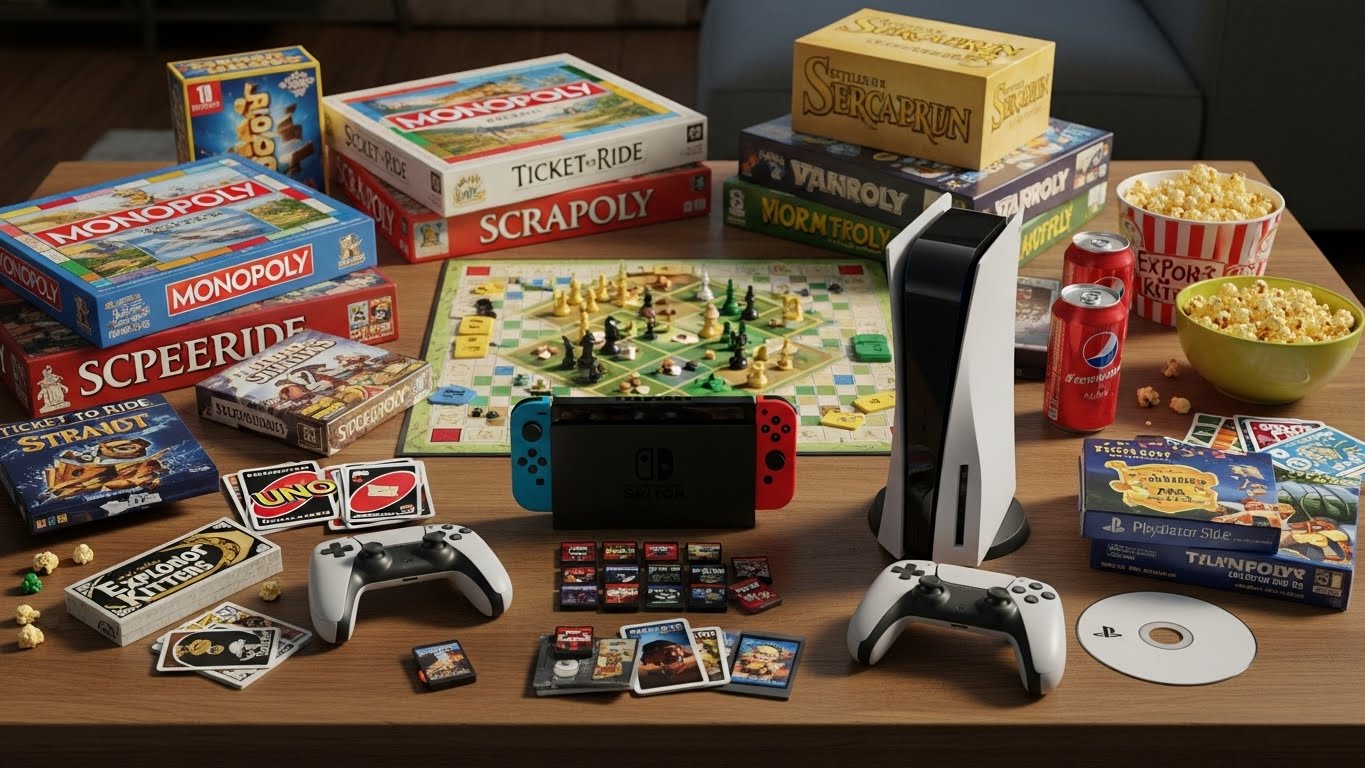

Introduction: The Enduring Appeal of Games
Games have been an essential part of human life for thousands of years, serving as a source of entertainment, education, and social interaction. From ancient board games carved in stone to modern digital experiences, games provide opportunities for creativity, strategy, and connection. They are not merely pastimes; they shape cultures, foster communities, and develop skills.
The evolution of games reflects human innovation and imagination. Whether it’s the mental challenge of a puzzle, the thrill of a competitive match, or the narrative immersion of a video game, games hold a unique ability to engage, inspire, and entertain people of all ages. This blog explores the diverse world of games, their historical significance, impact on society, and role in shaping modern culture.
The History of Games: From Ancient Times to the Modern Era
Games have existed since the earliest civilizations. Ancient Egyptians played Senet, a board game considered one of the first strategic games in history. Similarly, games like Go in China and Mancala in Africa have been used for centuries to teach strategy, critical thinking, and social interaction.
In the Middle Ages, games evolved into social and competitive events. Chess became a symbol of strategy and intellect, while dice games and card games entertained communities during festivals and gatherings. The industrial revolution brought mass production of board games, making them more accessible to households worldwide.
The late 20th century saw the rise of digital games. Video games, initially limited to arcades, grew into home console and computer experiences, ultimately becoming a global entertainment phenomenon. Today, games span multiple platforms, genres, and formats, appealing to diverse audiences and creating new industries.
Types of Games: From Traditional to Digital
The world of games is vast, encompassing numerous types that cater to different interests, skills, and social experiences.
Board Games: Board games such as Monopoly, Risk, and Settlers of Catan focus on strategy, planning, and social interaction. These games encourage critical thinking and collaborative play.
Card Games: Card games, including Poker, Bridge, and Uno, combine luck, skill, and strategy. They have been used historically for entertainment, gambling, and teaching probability and decision-making.
Role-Playing Games (RPGs): RPGs like Dungeons & Dragons immerse players in imaginative worlds, encouraging storytelling, creativity, and problem-solving. Players take on character roles, making decisions that shape the narrative and outcomes.
Sports and Physical Games: Traditional physical games such as soccer, basketball, and tag emphasize teamwork, coordination, and physical fitness. Sports provide entertainment, community identity, and skill development.
Video Games: Video games encompass multiple genres, from action and adventure to simulation and strategy. They provide immersive experiences, interactive storytelling, and opportunities for competitive and casual play.
Mobile and Casual Games: With the rise of smartphones, casual games like Candy Crush, Clash Royale, and puzzles have become widely popular. They provide entertainment in short, accessible bursts, reaching millions of players globally.
The Psychological Impact of Games
Games influence the mind in profound ways, offering mental stimulation, emotional engagement, and cognitive development.
Problem-Solving and Strategy: Many games require players to plan, analyze situations, and make decisions, fostering critical thinking and strategic skills.
Stress Relief and Relaxation: Games offer an escape from daily routines, providing relaxation, enjoyment, and stress relief. They create spaces for leisure, creativity, and mental rejuvenation.
Social Interaction and Collaboration: Multiplayer games promote teamwork, communication, and collaboration. Players build friendships, learn to negotiate, and develop social skills in virtual and physical environments.
Persistence and Resilience: Games often involve challenges, failures, and repeated attempts. Players learn resilience, patience, and perseverance as they overcome obstacles and achieve goals.
Games as a Tool for Education
Beyond entertainment, games have proven to be effective educational tools. Educational games engage learners, making subjects such as mathematics, history, and science interactive and enjoyable.
Simulation and Experimentation: Games like SimCity or Kerbal Space Program allow players to experiment with real-world concepts such as urban planning, physics, and resource management in a risk-free environment.
Learning Through Play: Children and adults alike benefit from gamified learning, where problem-solving, rewards, and interactive challenges enhance knowledge retention.
Cultural and Historical Awareness: Story-driven games often incorporate historical events, cultural references, and ethical dilemmas, providing players with educational value alongside entertainment.
The Social Impact of Games
Games play a significant role in shaping communities and social experiences.
Community Building: Online multiplayer games create global communities where players collaborate, compete, and share experiences. These communities transcend geographic boundaries, fostering cross-cultural interaction.
Inclusivity: Games can be inclusive spaces, providing opportunities for people of different ages, abilities, and backgrounds to participate equally. Accessibility features and adaptive gameplay allow broader engagement.
Competitions and Esports: Competitive gaming has grown into a global phenomenon known as esports. Tournaments attract millions of viewers, provide career opportunities, and inspire players to develop skills at professional levels.
Family and Social Bonding: Traditional and digital games offer ways for families and friends to bond, fostering relationships, communication, and shared experiences.
Games and Creativity
Games are a platform for creativity and imagination.
Storytelling and World-Building: Many role-playing and video games allow players to create narratives, build worlds, and develop characters, enhancing storytelling skills.
Design and Innovation: Game development itself is a creative process, requiring design, coding, art, and music. Players who experiment with game creation learn problem-solving, design thinking, and innovation.
Artistic Expression: Games incorporate visual art, music, and narrative elements, allowing players to appreciate and contribute to artistic experiences.
Games and Technology: Shaping the Future
The evolution of games is closely tied to technological advancement.
Virtual Reality (VR) and Augmented Reality (AR): VR and AR provide immersive experiences, allowing players to interact with game worlds in unprecedented ways. Games like Beat Saber and Pokémon Go demonstrate the potential of immersive technology.
Artificial Intelligence in Games: AI enhances game mechanics, adapting difficulty, and creating dynamic worlds. Players engage with intelligent virtual characters and evolving gameplay challenges.
Mobile Gaming Revolution: Smartphones have made gaming more accessible than ever. Mobile games reach millions, transforming casual play into a mainstream global phenomenon.
Cloud Gaming: Cloud technology allows games to be played on-demand without high-end hardware, expanding accessibility and convenience for players worldwide.
Challenges in Gaming
Despite the benefits, gaming also faces challenges that require attention.
Addiction and Overuse: Excessive gaming can impact mental and physical health, highlighting the need for balance and moderation.
Cybersecurity and Online Safety: Online multiplayer games require strong security measures to protect players from harassment, scams, and privacy breaches.
Diversity and Representation: The gaming industry continues to work on diversity and representation, both in game content and among developers and players.
Monetization and Ethics: Microtransactions, loot boxes, and in-game purchases have sparked debates over ethics and fair play, particularly for younger audiences.
The Cultural Significance of Games
Games are deeply embedded in human culture, reflecting values, history, and societal trends.
Cultural Storytelling: Games often incorporate folklore, mythology, and historical narratives, educating players while entertaining them.
Shared Experiences: Multiplayer and community games create shared cultural moments, from global tournaments to viral online challenges.
Innovation in Entertainment: The gaming industry drives innovation in graphics, sound design, narrative storytelling, and interactive technology, influencing broader entertainment sectors.
Conclusion: The Enduring Power of Games
Games are more than entertainment; they are tools for learning, creativity, socialization, and cultural expression. From traditional board games to immersive digital worlds, games engage the mind, challenge the body, and bring people together. They foster critical thinking, strategic planning, and resilience, while also offering relaxation, joy, and connection.
As technology continues to evolve, the potential of games expands, creating new experiences, careers, and communities. The world of games demonstrates the enduring human desire for play, challenge, and exploration. In every form and format, games remain a vital part of culture, shaping how we think, connect, and imagine.