Introduction: Why Games Matter in Our Lives
Games have been an integral part of human culture for centuries. From simple board games played around a family table to complex video games experienced by millions online, games engage us in unique ways. They provide entertainment, challenge our minds, foster social connections, and often serve as a reflection of society and creativity. This blog explores the diverse world of games, their types, benefits, cultural impact, and evolving future.
The Evolution of Games: From Ancient Pastimes to Digital Adventures
Games have existed since ancient times. Early civilizations invented games using stones, bones, and other materials to entertain and teach strategic thinking. Classic games like chess, Go, and backgammon have lasted for centuries due to their depth and challenge.
The 20th century saw the rise of board games such as Monopoly and Scrabble, which became household staples worldwide. The late 20th and early 21st centuries ushered in the video game era, revolutionizing the gaming landscape with immersive storytelling and interactive gameplay.
Today, games range from physical activities like sports and card games to virtual realities and augmented experiences, each offering something unique.
Types of Games: A World of Variety
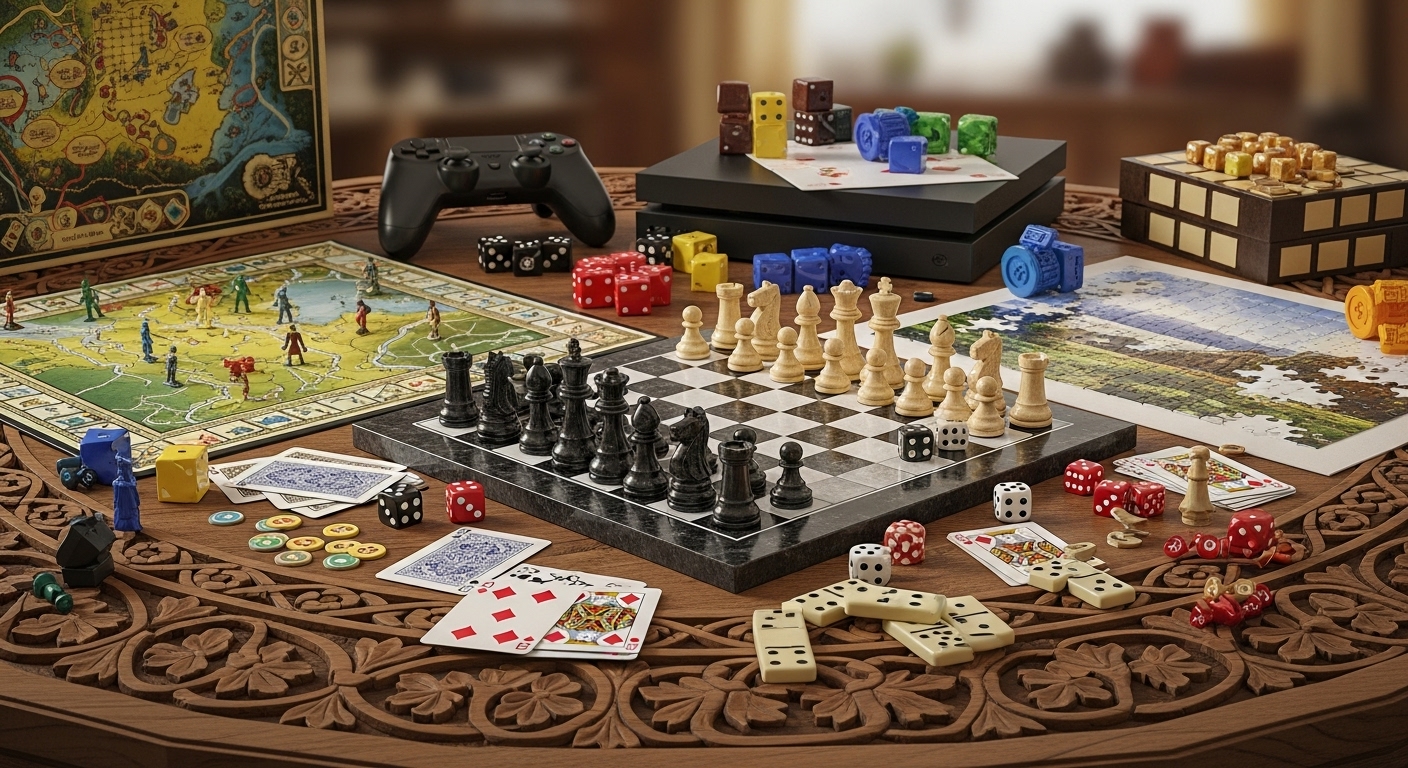
Games can be categorized broadly into several types, each appealing to different interests and skills:
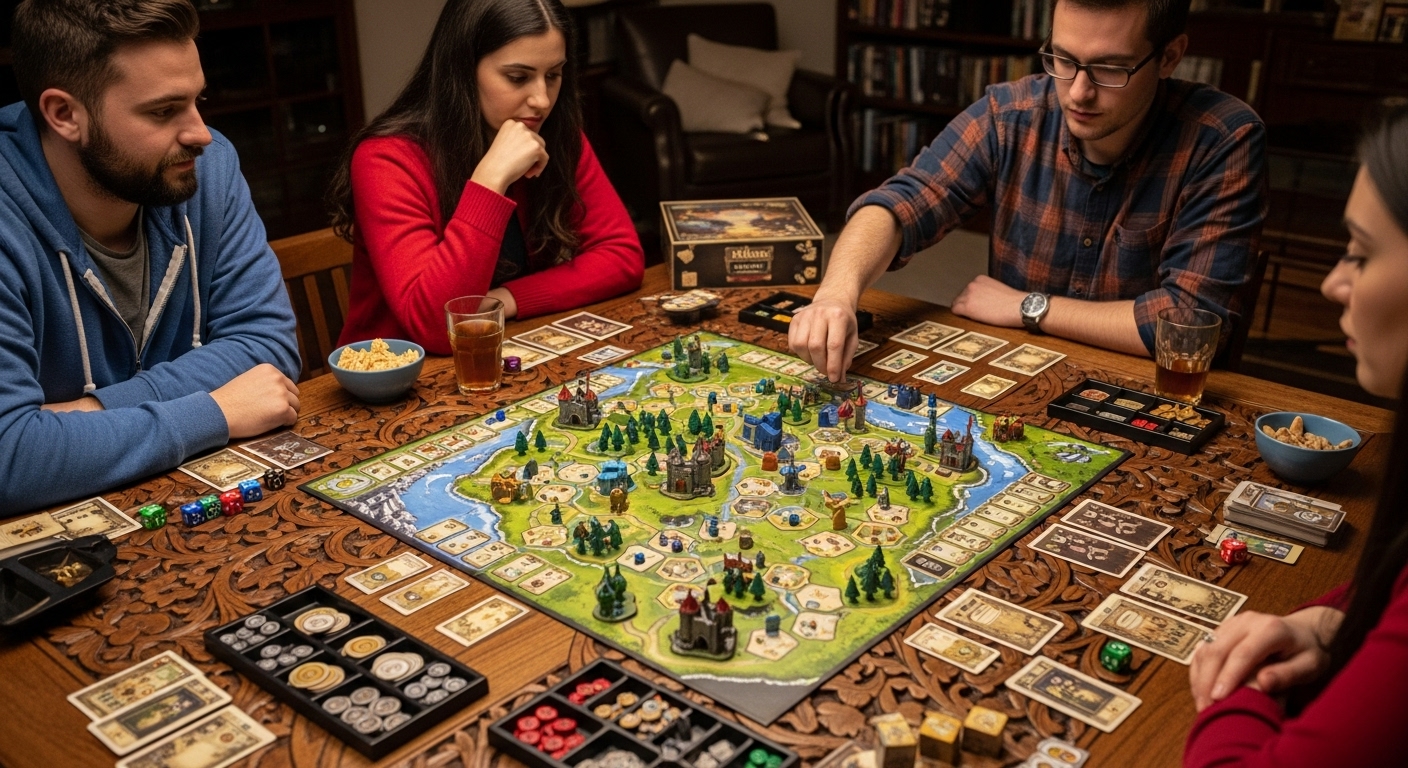
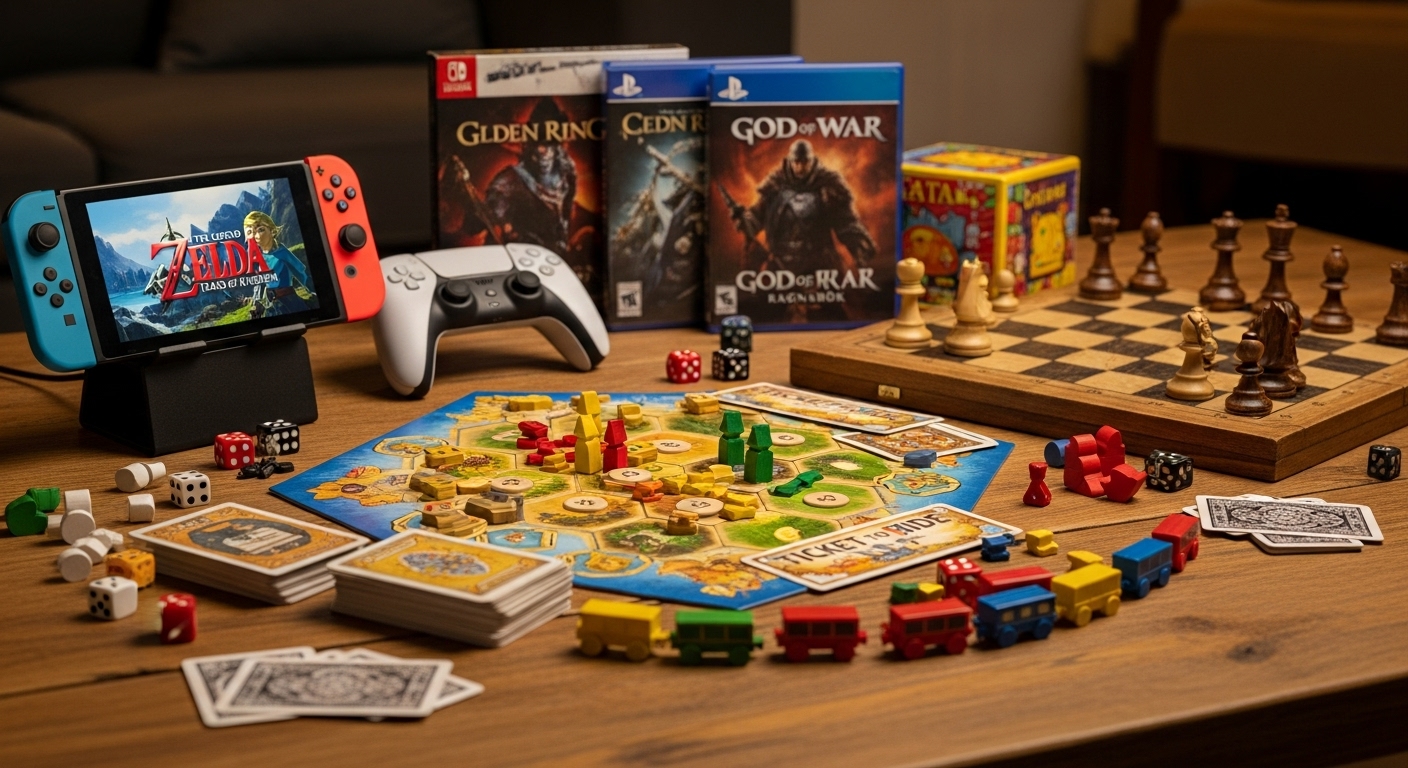
- Board and Card Games: These are traditional games involving physical pieces, boards, or cards. They emphasize strategy, luck, and social interaction.
- Video Games: Played on consoles, PCs, or mobile devices, video games encompass a wide range of genres including action, adventure, role-playing, simulation, and puzzles.
- Sports and Physical Games: These involve physical exertion and skill, ranging from team sports like soccer to individual activities like tennis.
- Puzzle and Brain Games: Designed to challenge logic and problem-solving, games like Sudoku and crossword puzzles stimulate the mind.
- Party and Social Games: Often played in groups, these games focus on fun and social bonding, such as charades or trivia games.
Each type of game offers different ways to engage the player, whether through competition, cooperation, creativity, or relaxation.
The Psychological Benefits of Playing Games
Playing games is more than just fun—it’s beneficial for mental health and cognitive development. Games encourage critical thinking, strategic planning, and decision-making. They help improve memory, attention, and problem-solving skills.
Social games promote teamwork, communication, and empathy by requiring players to interact and collaborate. Moreover, games often provide a sense of accomplishment and boost self-esteem through achievable challenges and rewards.
Playing games can also serve as a healthy form of stress relief and escapism, allowing players to unwind and immerse themselves in engaging narratives or exciting challenges.
Social Connection Through Games: Building Communities and Friendships
Games have a unique way of bringing people together. Whether it’s a family board game night or an online multiplayer session with friends from across the globe, games foster social interaction.
Online gaming communities have grown exponentially, creating spaces where people share experiences, strategies, and friendships. Many games encourage teamwork and cooperation, teaching valuable social skills.
Furthermore, gaming events and tournaments bring enthusiasts together in person, creating real-world communities centered around a shared passion.
The Role of Games in Education and Skill Development
Educational games are becoming an important tool for learning. Interactive games designed to teach languages, mathematics, science, and history engage students in a fun and immersive way.
Games encourage active learning by allowing players to experiment, make mistakes, and receive immediate feedback. Simulation games provide hands-on experience in complex fields like aviation, medicine, and urban planning.
Gamification, the use of game elements in non-game contexts, is also transforming education and corporate training by motivating participation and enhancing retention.
The Cultural Impact of Games: More Than Just Entertainment
Games reflect and shape culture. They tell stories that resonate with players, explore themes of heroism, morality, and human experience, and sometimes challenge social norms.
Popular games influence fashion, music, and even language. Iconic characters and worlds have become part of global pop culture.
Additionally, games provide a platform for cultural exchange, where players can experience narratives from diverse perspectives and backgrounds.
The Technology Behind Modern Games
Advancements in technology continue to push the boundaries of what games can offer. Realistic graphics, sophisticated artificial intelligence, and physics engines create immersive and dynamic experiences.
Virtual reality (VR) and augmented reality (AR) technologies are transforming gameplay by blending digital worlds with physical environments, creating new ways to play and interact.
Cloud gaming is making high-quality games accessible without expensive hardware, allowing players to stream games anywhere with an internet connection.
The Future of Games: Trends to Watch
The future of gaming promises even more innovation and inclusivity. Increasingly, games will offer personalized experiences tailored to individual preferences and playstyles.
The rise of cross-platform play breaks down barriers, allowing players on different devices to compete and collaborate.
Games will continue to embrace social and educational roles, blending entertainment with meaningful content.
Sustainability is also becoming a focus, with developers exploring eco-friendly production methods and energy-efficient gameplay.
Conclusion: The Endless Possibilities of Games
Games are a powerful medium that entertain, educate, connect, and inspire. Their ability to adapt and evolve ensures they remain relevant across generations and cultures.
Whether you enjoy competitive sports, strategic board games, or immersive digital worlds, games offer something for everyone. They are a testament to human creativity and the universal desire for play.
In embracing games, we embrace joy, learning, and connection—a combination that enriches lives in countless ways.