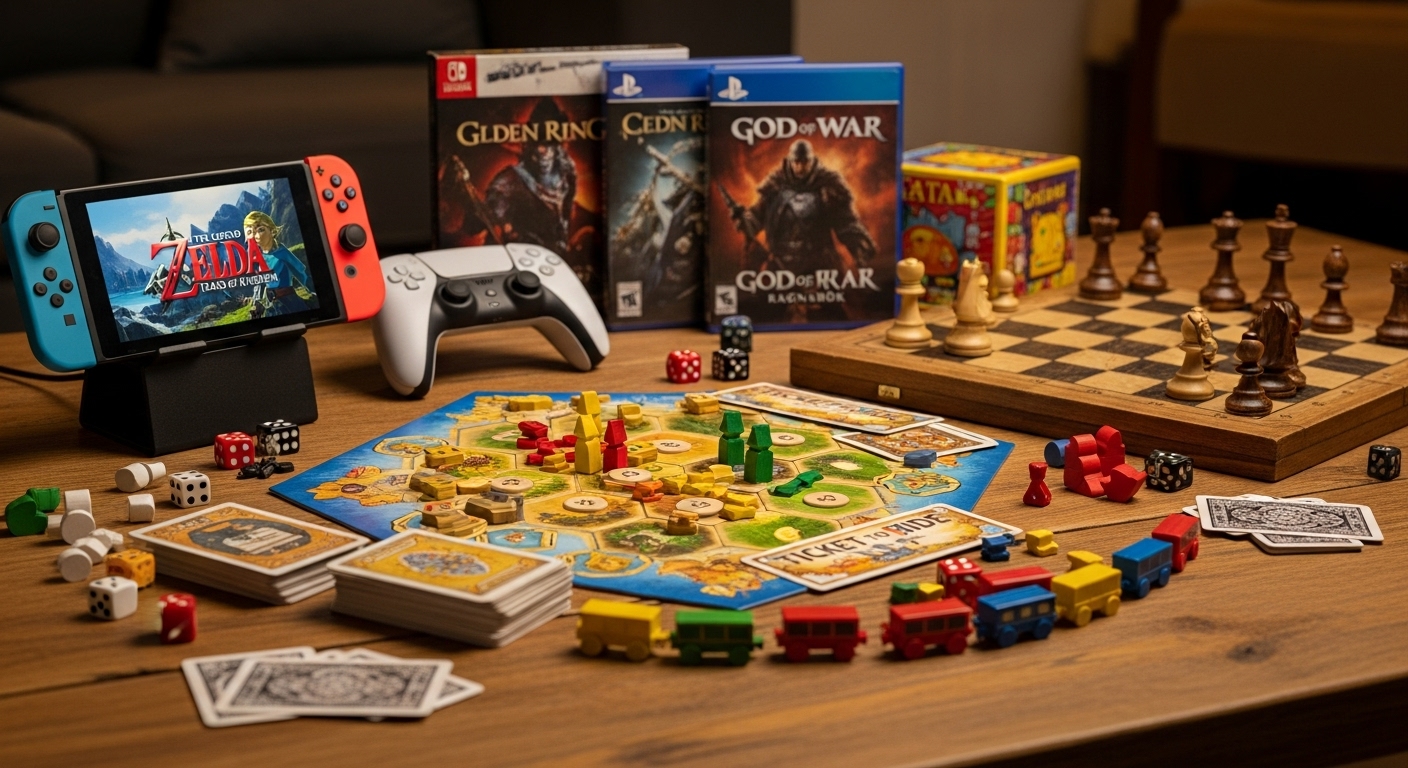

The world of video games has evolved into a vast and dynamic industry, offering something for everyone, from casual mobile games to high-budget AAA titles. However, one thing that has remained constant, though often overlooked, is the importance of a game’s title. The title of a game can be a powerful tool in shaping its identity, drawing players in, and setting the tone for the experience that awaits. In this blog post, we will explore the significance of unique game titles, how they can reflect a game’s content, and some notable examples of games that stand out thanks to their unforgettable names.
The Power of a Game Title
When you think of a great game, chances are the title of that game will pop into your head almost instantly. The right title can create an emotional connection with the player even before they experience the gameplay itself. A unique game title serves as a window into the world that has been meticulously crafted within, and it can even serve as a marketing tool in itself.
For example, consider titles like The Legend of Zelda or Dark Souls. These names evoke a sense of mystery and grandeur, sparking curiosity about the experiences that lie within. A strong game title doesn’t just reflect the content—it has the power to communicate the tone, genre, and atmosphere, effectively setting expectations for what the player will encounter.
What Makes a Game Title Unique?
A truly unique game title stands out from the crowd, grabbing attention immediately. Whether it’s through clever wordplay, unexpected combinations, or simple originality, the goal is to make sure that the name doesn’t fade into obscurity like countless other generic titles. A unique game title can be defined by several key features:
Creativity and Originality
Game titles that break away from the conventional and embrace creativity are the ones that become iconic. They often stand out because they don’t follow predictable patterns, creating curiosity and intrigue.
Tone and Atmosphere
The name of the game can set the emotional stage for the experience. Whether it’s evoking fear, adventure, or mystery, the tone of the game title can set expectations and enhance the overall immersion.
Relevance to Gameplay or Story
A great title often provides a glimpse into the core gameplay or narrative experience. It may reference the world, characters, or central themes of the game, helping players connect with it on a deeper level before they even press “Start.”
Simplicity and Memorability
Sometimes, simplicity is key. A game title that’s easy to remember and pronounce will stick in the minds of players, making it more likely that they’ll share it with friends or look for it in the future.
Notable Examples of Unique Game Titles
Let’s take a closer look at some games whose titles are as memorable and unique as the games themselves.
Journey (2012)
One of the most celebrated indie games of all time, Journey is a prime example of a unique game title. The name is simple, but it encapsulates the essence of the game perfectly. In Journey, players traverse a vast desert toward a distant mountain, experiencing a deeply emotional adventure filled with beautiful music and stunning visuals. The title “Journey” mirrors the player’s experience in the game: a personal and transformative exploration. It’s a name that resonates with the game’s theme of travel, discovery, and introspection.
Gris (2018)
The title of Gris is both short and abstract, yet it’s meaningful in a way that aligns perfectly with the game’s content. Gris is a visually striking, narrative-driven platformer where players control a young woman named Gris as she navigates her grief. The title itself is a reference to the color gray, representing the character’s emotional journey through sorrow and loss. The simplicity of the title matches the understated elegance of the game, creating a striking contrast with the complexity of the emotions players experience while playing.
Cuphead (2017)
Cuphead is a perfect example of a title that reflects both the tone and the style of the game. The name evokes an image of the game’s protagonist, Cuphead, who is a literal cup with a straw. This quirky and playful title mirrors the whimsical, hand-drawn animation style of the game, which is heavily inspired by 1930s cartoons. The title’s catchy and whimsical nature makes it memorable, while also providing players with an immediate sense of the game’s tone—lighthearted, colorful, and fast-paced.
Bloodborne (2015)
There’s no mistaking the dark and gritty world of Bloodborne once you hear the title. The name instantly conveys a sense of danger, darkness, and horror—exactly what players can expect from this action role-playing game. The title works brilliantly because it gives players a glimpse into the game’s gothic atmosphere and brutal combat, while also hinting at a mysterious backstory involving blood and ancient rites. The title has become synonymous with its punishing difficulty and eerie world-building, making it one of the most iconic game names in modern gaming.
The Stanley Parable (2013)
The title of The Stanley Parable is deceptively simple but is actually packed with layers of meaning. The game is a narrative-driven exploration of choice, free will, and the illusion of control within the confines of a video game. The name itself suggests a straightforward story about a man named Stanley, but players soon discover that the story is anything but linear or predictable. The title serves as a reflection of the game’s themes—parables often convey moral lessons, and The Stanley Parable invites players to question the very nature of storytelling and player agency in video games.
Hotline Miami (2012)
With its neon-soaked aesthetic and fast-paced action, Hotline Miami is a game that thrives on chaos, violence, and intensity. The title itself is an odd juxtaposition of two contrasting ideas. “Hotline” suggests urgency and a direct connection, while “Miami” conjures images of bright colors, luxury, and excess. Together, the title reflects the game’s frantic and over-the-top gameplay, which blends a retro 80s atmosphere with brutal combat and a surreal narrative. It’s a title that sticks with you long after you’ve played the game, capturing its unique vibe and strange allure.
Papers, Please (2013)
At first glance, Papers, Please might seem like a mundane title, referencing the process of checking documents at a border checkpoint. But in the context of the game, the title takes on a far more profound and disturbing meaning. Players take on the role of a border inspector in a fictional, totalitarian state, where they must examine documents and make moral decisions that affect the lives of others. The title becomes a commentary on bureaucracy, power, and the weight of individual choices within a rigid system. It’s a unique and thought-provoking title that reflects the game’s deep ethical dilemmas.
No Man’s Sky (2016)
No Man’s Sky offers a title that immediately conveys both the scope and the solitude of the game’s expansive universe. The name hints at the infinite possibilities of space exploration, yet it also suggests isolation—there’s no one else out there to guide you. The title plays on the theme of discovery, which is central to the gameplay. Players are thrust into a procedurally generated universe, and the idea that there’s no one else to rely on emphasizes the sense of adventure and self-reliance that defines the experience.
The Role of Culture and Language in Game Titles
The cultural context and language in which a game is developed can also influence the title. For example, Japanese games often have titles that are both descriptive and abstract, with many drawing from a rich tradition of anime, manga, and Japanese mythology. Western games, on the other hand, may favor punchy, direct names that are designed to appeal to a broader audience. Games like Persona (Japan) or Mass Effect (Western) showcase the way cultural influences can shape the game’s identity and its name.
Moreover, some titles rely on wordplay or multiple languages to create intrigue. For instance, Deus Ex is a Latin phrase that means “God from the Machine,” reflecting the game’s themes of technology, transhumanism, and divine intervention. Such titles invite players to dig deeper into the meaning and significance behind the name, enriching the experience.
Conclusion: The Art of Naming a Game
The name of a game is far more than just a label. It is an integral part of the game’s identity, encapsulating the tone, themes, and gameplay experience. A unique game title captures attention and sparks curiosity, leaving a lasting impression on the player. It’s a delicate balance between creativity, relevance, and memorability, and when done right, a great title can elevate a game to iconic status.
As we’ve seen from games like Journey, Cuphead, and Bloodborne, a carefully crafted title can speak volumes, revealing just as much about the game as the experience itself. So, the next time you see a game with a title that stands out, take a moment to appreciate the thought and creativity that went into it—because behind every unique title is a world waiting to be discovered.