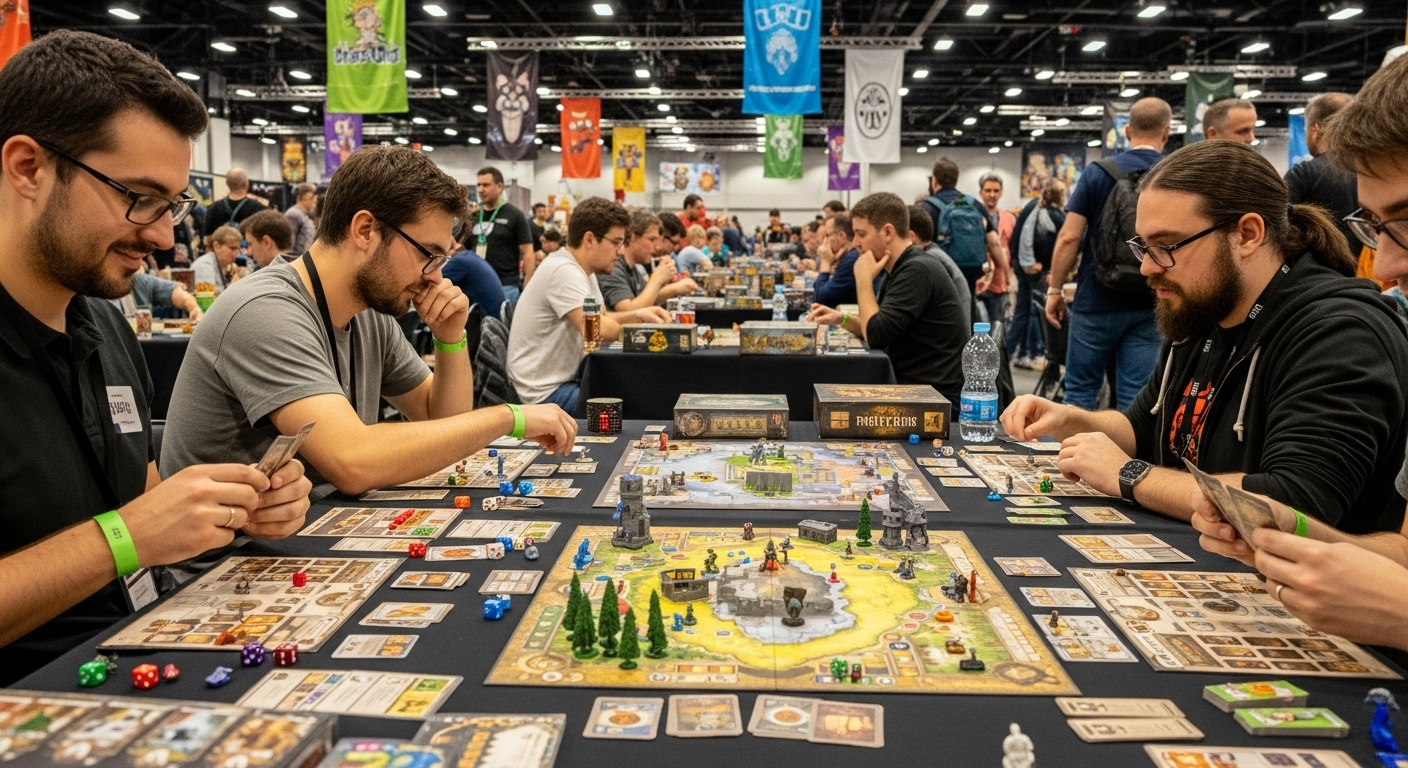

Games have been part of human civilization since the dawn of time. Whether it was a simple contest of strength, an ancient board game carved in stone, or the modern interactive digital universes that captivate millions, games have always carried one universal purpose: to entertain, to challenge, and to connect. They reflect our cultures, values, and the very essence of human imagination. Over thousands of years, games have evolved from basic survival competitions into one of the most significant industries in the world today. This journey from physical to digital play is not just fascinating—it is a story about human creativity, technology, and the unending desire for fun.
The Ancient Roots of Play
Long before the invention of computers or even writing, humans played games. Archaeological evidence suggests that people were gaming as far back as 5000 years ago. The Royal Game of Ur, discovered in the ruins of Mesopotamia, is considered one of the oldest known board games. Similarly, ancient Egyptians played Senet, a game found buried alongside pharaohs in their tombs, symbolizing the journey to the afterlife. These early games were more than entertainment—they carried religious and social significance, often used to teach strategy, patience, and morality.
In ancient Greece and Rome, games took on physical forms through athletic competitions. The Olympic Games, for instance, began as religious festivals honoring the gods. Participants tested their speed, strength, and endurance in events that became symbols of honor and heroism. Meanwhile, in Asia, games like Go and Chess began shaping the intellectual side of play, challenging the mind rather than the body. These ancient board games required planning, foresight, and tactical thinking—traits that continue to define modern gaming.
The Cultural Role of Games
Throughout history, games have reflected the societies in which they were created. In medieval Europe, tournaments and jousts entertained nobles and commoners alike, reinforcing ideals of chivalry and bravery. In contrast, games in the East often focused on philosophy and intellect. The game of Go in China, for instance, symbolized the balance between attack and defense, chaos and order—a metaphor for life itself.
In tribal communities, traditional games served as training for survival. Children played hunting or tracking games that helped them develop skills they would need as adults. In this way, play became a form of preparation for life’s real challenges. It was not simply leisure—it was learning.
Even religious festivals often included elements of play. The Mayans and Aztecs had a ceremonial ball game called Pok-ta-Pok, which held spiritual meaning. Victory and defeat in such games were often tied to cosmic beliefs, illustrating how deeply gaming was woven into the human experience. Every civilization used games to teach, celebrate, and remember who they were.
The Birth of Modern Games
The industrial revolution changed the world in countless ways, and games were no exception. With mass production, playing cards, dice, and board games became more accessible to the public. The 19th century saw the rise of commercial board games such as Monopoly and Scrabble, which brought families together around tables for hours of fun. These games reflected the growing middle class and their desire for affordable entertainment.
The early 20th century saw even more creativity. Puzzle games, card decks, and parlor games became household staples. People played games not only for fun but also for mental exercise. The concept of “family game night” began to take shape, creating moments of bonding and laughter in homes around the world.
Sports, too, evolved into organized global phenomena. Soccer, basketball, and baseball transformed from local activities into professional spectacles that united entire nations. Fans began identifying with teams and players, and stadiums became modern temples of competition and emotion.
The Dawn of Digital Gaming
Everything changed with the rise of computers and video technology in the mid-20th century. The first digital games were simple experiments by scientists exploring the potential of new machines. Games like “Tennis for Two” and “Spacewar!” in the 1950s and 60s marked the beginning of a revolution. What started as a hobby for computer enthusiasts soon became an industry that would redefine entertainment.
The 1970s introduced the arcade era. Machines like Pong, Pac-Man, and Space Invaders turned gaming into a social experience. People gathered in arcades, challenging friends and strangers for the highest scores. The flashing lights and sound effects created an atmosphere of excitement that captured the imagination of an entire generation.
Then came the home console revolution. With systems like the Atari 2600 and later the Nintendo Entertainment System, video games entered living rooms. Titles such as Super Mario Bros., The Legend of Zelda, and Tetris became cultural icons. These games offered storytelling, adventure, and creativity that rivaled books and films.
The Golden Age of Gaming
By the 1990s, games had transformed from pixelated experiments into rich, immersive experiences. Improved graphics, storytelling, and soundtracks made players feel like part of vast digital worlds. The rise of personal computers opened doors for genres like strategy, simulation, and role-playing. Games such as Doom, StarCraft, and Final Fantasy expanded the boundaries of imagination.
This period also saw the birth of multiplayer gaming. LAN parties and early online systems connected players across cities and countries. The idea that someone in one part of the world could compete with another halfway across the globe was revolutionary. Games began to foster communities, friendships, and even rivalries that transcended physical boundaries.
The late 90s and early 2000s are often referred to as the golden era of gaming innovation. 3D graphics, realistic physics, and cinematic storytelling became standard. Developers began pushing the medium forward, treating games as art. Titles like Metal Gear Solid, Half-Life, and The Elder Scrolls showed that games could tell complex, emotional stories while offering freedom of choice and exploration.
The Rise of Online and Mobile Gaming
The internet age completely reshaped gaming. Online multiplayer worlds like World of Warcraft created virtual societies where millions interacted daily. Players no longer just played games—they lived in them. Online identities, guilds, and friendships became part of the gaming experience.
The 2000s also brought a new wave of casual gaming through mobile devices. Suddenly, games were no longer confined to consoles or PCs. Everyone with a phone could play. From simple puzzles to elaborate strategy games, mobile gaming introduced millions of new players to the medium. Games like Angry Birds and Candy Crush became cultural sensations, proving that gaming was for everyone, not just enthusiasts.
Social media also integrated gaming features, making competition and collaboration part of daily life. The simplicity and accessibility of mobile games turned them into global phenomena, creating a massive market that rivaled traditional gaming platforms.
The Modern Era: Immersive Worlds and Esports
Today, gaming is a multi-billion-dollar industry that rivals film and music combined. Technological advancements such as virtual reality (VR), augmented reality (AR), and artificial intelligence (AI) have pushed gaming into new dimensions. Players can now step into worlds that feel astonishingly real. Games like Minecraft, Fortnite, and The Witcher 3 demonstrate how far the medium has come, blending art, technology, and social connection.
Esports, or competitive gaming, has grown into a global phenomenon. Professional players train like athletes, compete for massive prizes, and attract millions of viewers. Entire arenas are filled with fans cheering for their favorite teams. Games like League of Legends, Dota 2, and Counter-Strike have become modern sports in their own right, creating careers and communities across continents.
The streaming culture has also transformed how people engage with games. Platforms for sharing gameplay have created a new form of entertainment where watching can be as engaging as playing. Streamers and content creators have become celebrities, influencing trends and shaping the industry.
The Artistic Side of Games
One of the most remarkable aspects of gaming is its evolution into an art form. Games now feature rich narratives, emotional depth, and stunning visual design. Titles like Journey, The Last of Us, and Shadow of the Colossus show that games can make players feel empathy, sadness, joy, and wonder—emotions once reserved for cinema or literature.
Game developers have become storytellers, crafting worlds with meaning and beauty. Soundtracks composed for games often rival film scores in emotional power. Players no longer just consume stories; they participate in them. This interactivity is what makes gaming unique among all art forms—it allows individuals to shape their own experience within a story.
Games as a Social and Educational Tool
Beyond entertainment, games now play important roles in education, therapy, and social development. Educational games teach languages, history, and science in interactive ways that make learning fun. Simulation games help train professionals in fields like aviation, medicine, and engineering. Even military organizations use gaming technology for strategic training.
Games also foster social connections. Multiplayer platforms allow people to meet and collaborate regardless of physical distance. For many, online gaming communities are sources of friendship and belonging. Especially during global crises or isolation, games have provided comfort, connection, and joy.
Furthermore, games can be tools for empathy and awareness. Titles designed to simulate life challenges—such as poverty, war, or disability—help players understand real-world issues on a deeper emotional level. In this way, gaming transcends play and becomes a medium for change.
The Psychology of Play
Why do humans play games at all? Psychologists suggest that play satisfies fundamental human needs—curiosity, mastery, and social connection. Games give us challenges to overcome, systems to understand, and goals to achieve. They provide safe environments to experiment, fail, and learn.
Winning a game releases dopamine, the brain’s reward chemical, creating feelings of satisfaction and motivation. This is why gaming can be so engaging—it taps into the core of how our minds experience progress and achievement. But more than that, games give us stories we can inhabit, identities we can explore, and worlds where we can be heroes, explorers, or creators.
However, like all powerful forms of entertainment, balance is key. Healthy gaming habits lead to enjoyment and growth, while excess can lead to isolation or addiction. As the gaming world continues to expand, conversations about responsible play, inclusivity, and mental health are becoming increasingly important.
The Future of Gaming
Looking ahead, the future of games is filled with possibilities. Virtual reality and augmented reality will likely become more integrated into daily life. Imagine games that blend seamlessly with the real world, where streets, buildings, and objects become part of the adventure. Artificial intelligence will also continue to enhance games, creating smarter opponents, more dynamic stories, and worlds that adapt to players’ choices.
The concept of the “metaverse”—a shared virtual space where people can live, work, and play—may become a reality. In this future, games will not just be a pastime but a platform for creativity, communication, and even economy. People might design their own worlds, create digital art, or host virtual events within gaming environments.
The future will also see greater diversity in both players and creators. The gaming industry is becoming more inclusive, with voices from all backgrounds contributing to its growth. As a result, the stories told through games will reflect a wider range of human experiences and emotions.
Conclusion: The Endless Game of Humanity
From stones and sticks to virtual worlds and digital dreams, the evolution of games mirrors the evolution of humanity itself. Games have always been about more than just winning—they are about discovery, expression, and connection. They bring people together, teach us about ourselves, and inspire us to imagine worlds beyond our own.
In every era, games have adapted to new technologies and cultures, yet their essence remains the same: the joy of play. Whether ancient or futuristic, simple or complex, games will always be a part of who we are. As technology continues to advance, one thing is certain—the human desire to play, to challenge, and to create will never fade. The story of games is far from over. In fact, it has only just begun.
(Word count: ~2,250)