
Introduction: Gaming as a Modern Phenomenon
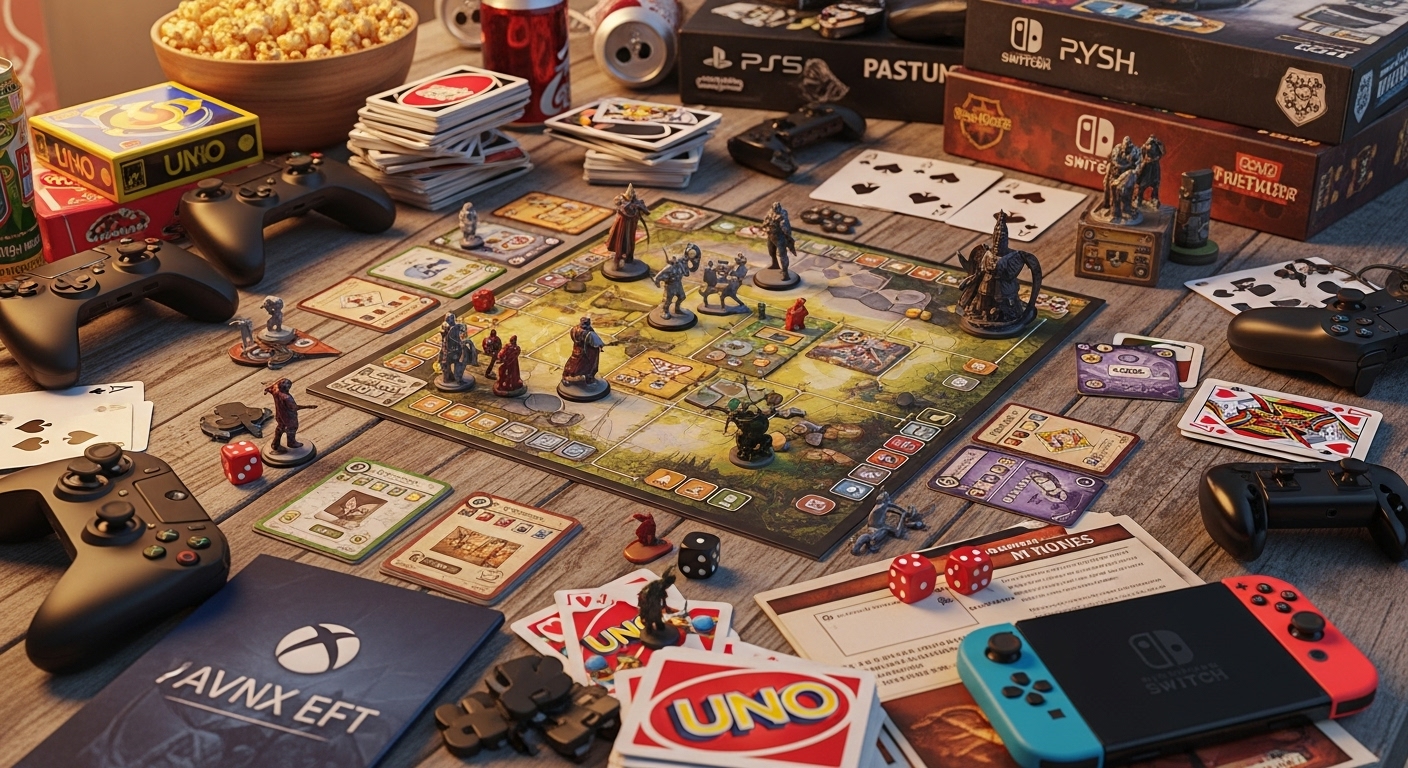
Games have been a part of human culture for thousands of years, from ancient board games to modern video games. Today, gaming has evolved into one of the largest and most influential entertainment industries in the world. It encompasses mobile games, console gaming, PC games, online multiplayer experiences, and competitive esports. Gaming is no longer simply a pastime; it has become a form of art, social interaction, and even professional career.
This blog explores the evolution of games, the diversity of modern gaming, the technology behind them, their cultural and social impacts, and what the future holds for the gaming industry.
The Evolution of Games
Games have a rich history that traces back to early civilizations. Ancient societies created board games, puzzles, and physical challenges to entertain, educate, and bring communities together. Classic games like chess, Go, and backgammon demonstrated strategic thinking and skill.
The 20th century introduced video games, which transformed gaming from physical activities to digital experiences. Arcade games, early consoles, and PC games provided new ways to engage players. The 1980s and 1990s marked the rise of home consoles, making gaming accessible to millions of households. From simple pixelated graphics to immersive storylines, games evolved rapidly, setting the stage for modern interactive entertainment.
The Diversity of Modern Gaming
Today, gaming is an incredibly diverse medium. There are countless genres and platforms, each offering unique experiences:
Console Gaming
Console gaming remains a dominant form of play, offering immersive experiences through devices such as PlayStation, Xbox, and Nintendo Switch. These systems combine high-quality graphics, sound, and gameplay mechanics to create cinematic gaming experiences.
PC Gaming
PC gaming provides flexibility, superior graphics, and customization options. Gamers can upgrade hardware, install mods, and engage in large online communities. PC gaming also supports competitive esports and strategic games that require precise control and quick decision-making.
Mobile Gaming
Mobile gaming has revolutionized accessibility. Smartphones and tablets allow players to enjoy games anywhere, from casual puzzle apps to complex multiplayer online games. Mobile platforms have democratized gaming, reaching audiences who may not own consoles or PCs.
Online Multiplayer and Social Gaming
Online multiplayer games connect players globally. Games like battle arenas, strategy titles, and cooperative adventures encourage teamwork, competition, and social interaction. These games have fostered strong online communities and even professional esports scenes.
Virtual Reality and Augmented Reality Gaming
VR and AR offer fully immersive experiences that blur the line between digital and physical worlds. Players can explore three-dimensional environments, interact with objects, and experience gameplay in a more tangible, lifelike way. These technologies represent the future frontier of gaming.
The Technology Behind Modern Games
Gaming has always been closely tied to technological innovation. From hardware improvements to software development, technology shapes how players experience games.
High-Performance Hardware
Modern games demand powerful hardware. High-resolution graphics, fast processing, and responsive controls are essential to delivering smooth gameplay. Hardware advancements have enabled more realistic and visually stunning game environments.
Game Engines and Development Software
Game engines like Unreal Engine and Unity allow developers to create intricate worlds and realistic physics. These tools support complex AI behavior, dynamic environments, and interactive storytelling, enhancing the overall player experience.
Artificial Intelligence
AI is transforming gaming by creating smarter opponents, adaptive challenges, and personalized experiences. AI can modify game difficulty based on player behavior, provide realistic NPC interactions, and enhance the immersion of virtual worlds.
Cloud Gaming and Streaming Technology
Cloud gaming allows players to access games without powerful hardware. By streaming gameplay from remote servers, players can enjoy high-quality games on devices with minimal processing power. This technology has made gaming more accessible than ever.
The Social Impact of Gaming
Gaming has evolved into a social activity, connecting players across the globe. Multiplayer games foster collaboration, communication, and teamwork. Online communities form around shared interests, enabling players to discuss strategies, share achievements, and make lasting friendships.
Streaming platforms allow gamers to broadcast their gameplay, interact with audiences, and even build professional careers. Game-related content, tutorials, and live events create a sense of community and engagement that extends beyond the game itself.
Gaming as a Cultural Force
Games are more than entertainment; they reflect culture and influence society. Storytelling in games often explores complex themes, ethical dilemmas, and emotional experiences. Players engage with narratives that challenge perspectives and inspire creativity.
Games also shape trends in fashion, music, art, and social behavior. Characters, stories, and in-game events can become cultural phenomena, influencing how people communicate, express themselves, and participate in shared experiences.
The Economic Impact of Gaming
The gaming industry is a major economic force. It generates billions of dollars in revenue annually through game sales, subscriptions, in-game purchases, merchandise, and tournaments. Gaming supports employment for developers, designers, marketers, esports professionals, and live event coordinators.
Professional gaming and esports have created new career paths. Players can earn salaries, sponsorships, and prize money while pursuing their passion. The industry also drives innovation in related sectors, such as technology, streaming platforms, and digital content creation.
Educational and Cognitive Benefits of Gaming
Contrary to outdated stereotypes, gaming can have educational and cognitive benefits. Strategy games enhance critical thinking, problem-solving, and resource management skills. Puzzle and logic games improve memory, focus, and attention to detail.
Simulation and role-playing games teach decision-making, planning, and teamwork. Multiplayer experiences encourage social skills and communication. Games also provide creative outlets, inspiring players to design, code, or produce game-related content.
Challenges and Responsibilities in Gaming
While gaming offers numerous benefits, it also comes with challenges. Excessive gaming can lead to issues such as fatigue, social isolation, and decreased physical activity. Maintaining a healthy balance between gaming and daily responsibilities is essential.
Game developers and communities play a role in promoting responsible gaming. Features like time limits, parental controls, and self-monitoring tools help players engage safely. Ethical practices, fair play, and inclusive design also ensure that gaming remains a positive experience for everyone.
The Future of Gaming
The future of gaming is full of exciting possibilities. Advancements in artificial intelligence, virtual and augmented reality, cloud gaming, and interactive storytelling will redefine the player experience. Games will become more immersive, accessible, and interconnected with other forms of entertainment.
Esports will continue to grow, attracting new audiences and professional opportunities. Mobile gaming will reach new markets, and cross-platform play will further unite global communities. Gaming will increasingly serve as a cultural, social, and educational tool, expanding its influence beyond entertainment.
Conclusion: Gaming as a Transformative Force
Gaming has evolved from simple pastimes into a complex, dynamic, and influential industry. It combines creativity, technology, social connection, and cultural expression in ways that continue to shape modern life.
From ancient board games to immersive digital worlds, gaming reflects human curiosity, competition, and creativity. It entertains, challenges, educates, and connects players across the globe. As technology continues to advance and creativity knows no bounds, gaming will remain at the forefront of entertainment and culture, offering limitless opportunities for exploration, expression, and enjoyment.


