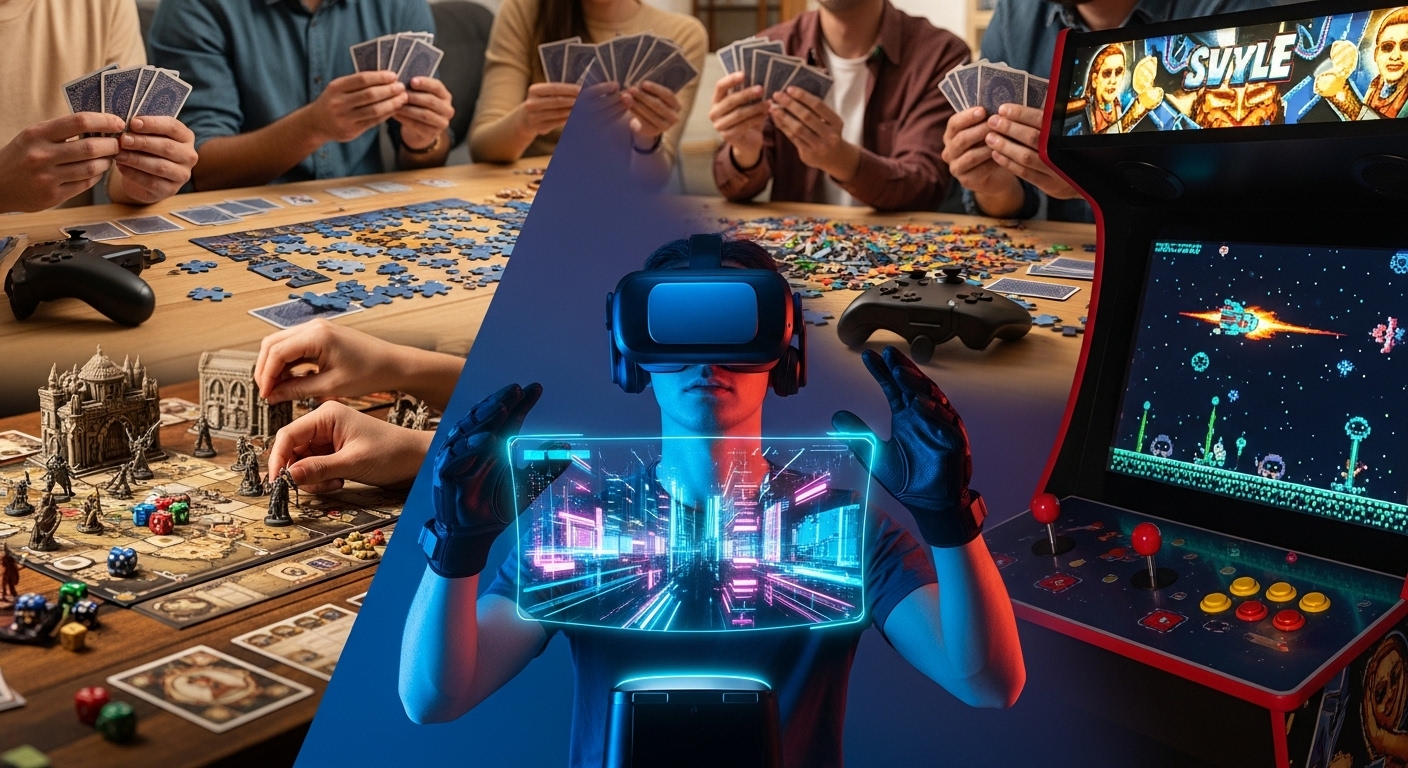

Gaming has transformed from simple pastimes into vast, immersive experiences that can transport players to worlds beyond imagination. While mainstream games often focus on action, strategy, or sports simulations, there is a growing category of games that stand out for their originality and creativity. These games are not just about winning or completing levels; they are about exploring, experiencing, and sometimes even reflecting on life itself. In this blog, we will explore the magic of unique games, what makes them unforgettable, and why they continue to captivate players around the world.
The Allure of Unconventional Games
Unique games captivate because they break away from the norm. Instead of following predictable patterns, they offer unexpected challenges, innovative mechanics, and narratives that deviate from typical storytelling. For players, this unpredictability creates a sense of discovery and excitement. Every moment feels fresh because the experience is not guided by conventional rules alone but by creativity and imagination.
The appeal of unconventional games also lies in their ability to surprise and delight. Whether through unusual gameplay, strange yet mesmerizing worlds, or thought-provoking stories, these games make players feel like pioneers in a new territory. Unlike mass-market games that often recycle ideas, unique games offer novelty and encourage exploration, giving players the joy of discovering something truly original.
Innovation in Gameplay Mechanics
One of the most defining aspects of unique games is their innovative gameplay mechanics. Traditional games often rely on standard interactions such as running, shooting, or puzzle-solving. Unique games, however, experiment with mechanics that challenge how players think and interact with the game world.
For instance, some games manipulate time or gravity, allowing players to experience physics in unconventional ways. Others may focus on abstract puzzles or exploration without conventional goals, emphasizing creativity and experimentation. These mechanics often require players to approach challenges differently, encouraging lateral thinking and rewarding curiosity. In this way, gameplay becomes an experience of learning, discovery, and personal expression, rather than simply following preset rules.
Storytelling Beyond Conventions
While gameplay is essential, storytelling is another area where unique games shine. Unlike traditional narratives with clear heroes and villains, these games often embrace ambiguity and player-driven storytelling. The narrative may be fragmented, allowing players to piece together meaning themselves, or it may be deeply introspective, exploring complex human emotions and philosophical themes.
Some games allow players to make choices that significantly affect the story, giving them a sense of authorship over the narrative. Others may focus on environmental storytelling, where the world itself tells the story through its design, characters, and atmosphere. This approach makes players active participants rather than passive observers, creating a more profound emotional connection with the game.
Artistry and Aesthetics in Games
Unique games often double as interactive art, using visuals, sound, and design to create an unforgettable sensory experience. The aesthetic choices in these games are carefully crafted to evoke emotions, build atmosphere, and immerse players in worlds that are both beautiful and thought-provoking.
Visual design in unique games can range from minimalist and abstract to fantastical and surreal. Music and sound design are not mere background elements; they are integral to gameplay and narrative, guiding players’ emotions and decisions. When art and interaction merge seamlessly, the game becomes more than entertainment—it becomes an experience that lingers in memory long after it is finished.
Emotional Impact and Player Engagement
One of the most remarkable qualities of unique games is their ability to evoke strong emotional responses. By combining innovative mechanics, engaging storytelling, and artistic expression, these games create experiences that resonate deeply with players. Emotions such as awe, wonder, sadness, and joy can be felt as intensely in a game as in a book, film, or piece of music.
Unique games often achieve this through immersion. Players feel fully connected to the game world, whether it is through characters’ struggles, environmental storytelling, or interactive challenges. This connection allows players to invest emotionally, making each decision and interaction feel significant. The result is a gaming experience that is not only entertaining but also emotionally fulfilling and memorable.
Examples of Unique Gaming Experiences
To understand the power of unique games, it helps to examine a few notable examples. Some games offer experiences where conventional objectives are replaced by exploration and discovery. Players might navigate dreamlike landscapes, interact with surreal environments, or solve puzzles that require abstract thinking. Others explore storytelling in unprecedented ways, with nonlinear narratives or worlds that evolve based on player decisions.
Games that experiment with mechanics, such as bending time, changing gravity, or manipulating environments in creative ways, showcase how gameplay can be both innovative and deeply engaging. Meanwhile, games focused on emotional narratives explore themes like identity, loss, and personal growth, demonstrating that games can be both intellectually stimulating and emotionally powerful.
The Role of Independent Developers
Independent game developers play a crucial role in creating unique and innovative games. Free from the commercial pressures of large studios, indie developers can take creative risks, experiment with unconventional ideas, and target niche audiences. Many of the most unique and memorable games in recent years have come from indie developers who dared to challenge traditional norms.
Indie developers often approach game design with a focus on art, story, and experimentation. Their work reflects personal vision and passion, resulting in experiences that are authentic and original. By supporting indie games, players help foster creativity in the gaming industry and encourage the production of experiences that push boundaries.
Challenging Perceptions of What a Game Can Be
Unique games often challenge the traditional definitions of gaming. They ask players to reconsider what a game is, what it should accomplish, and how it should feel. Some may not even have clear goals or win conditions, focusing instead on exploration, narrative, or emotional resonance. This challenges the notion that games must be competitive or achievement-oriented to be enjoyable.
By expanding what is possible in gaming, these titles create space for new experiences that combine art, storytelling, and interactivity in ways previously thought impossible. Players encounter worlds where imagination is the primary limit, and creativity becomes as important as skill. This redefining of expectations makes unique games a vital part of the gaming landscape.
Future Possibilities in Gaming Innovation
As technology continues to advance, the potential for unique games grows even greater. Virtual reality, augmented reality, and artificial intelligence allow developers to create experiences that are more immersive, responsive, and dynamic than ever before. Games can now react to players in real-time, adapt narratives, and generate worlds that evolve with every interaction.
The future of gaming is likely to bring even more innovative experiences, blending technology, storytelling, and artistry to create worlds that feel alive. As players increasingly seek experiences that are emotionally and intellectually engaging, the demand for unique games will continue to grow. Developers will have more tools than ever to experiment and push the boundaries of what gaming can be.
Conclusion: Celebrating Creativity and Exploration in Gaming
Unique games remind us of the limitless potential of interactive experiences. They challenge conventional thinking, inspire creativity, and provide moments of wonder and emotional connection. Whether through innovative mechanics, unconventional storytelling, or artistic design, these games prove that gaming is not just about winning or competition—it is about exploration, creativity, and human connection.
For players, seeking out these games opens the door to worlds filled with surprise, emotion, and reflection. For developers, creating unique games is an opportunity to push the medium forward and express ideas that transcend traditional entertainment. Celebrating these games is a celebration of imagination, innovation, and the endless possibilities that gaming offers. In a world where technology and creativity meet, unique games are a testament to the magic of interactive storytelling and the power of play.