Introduction
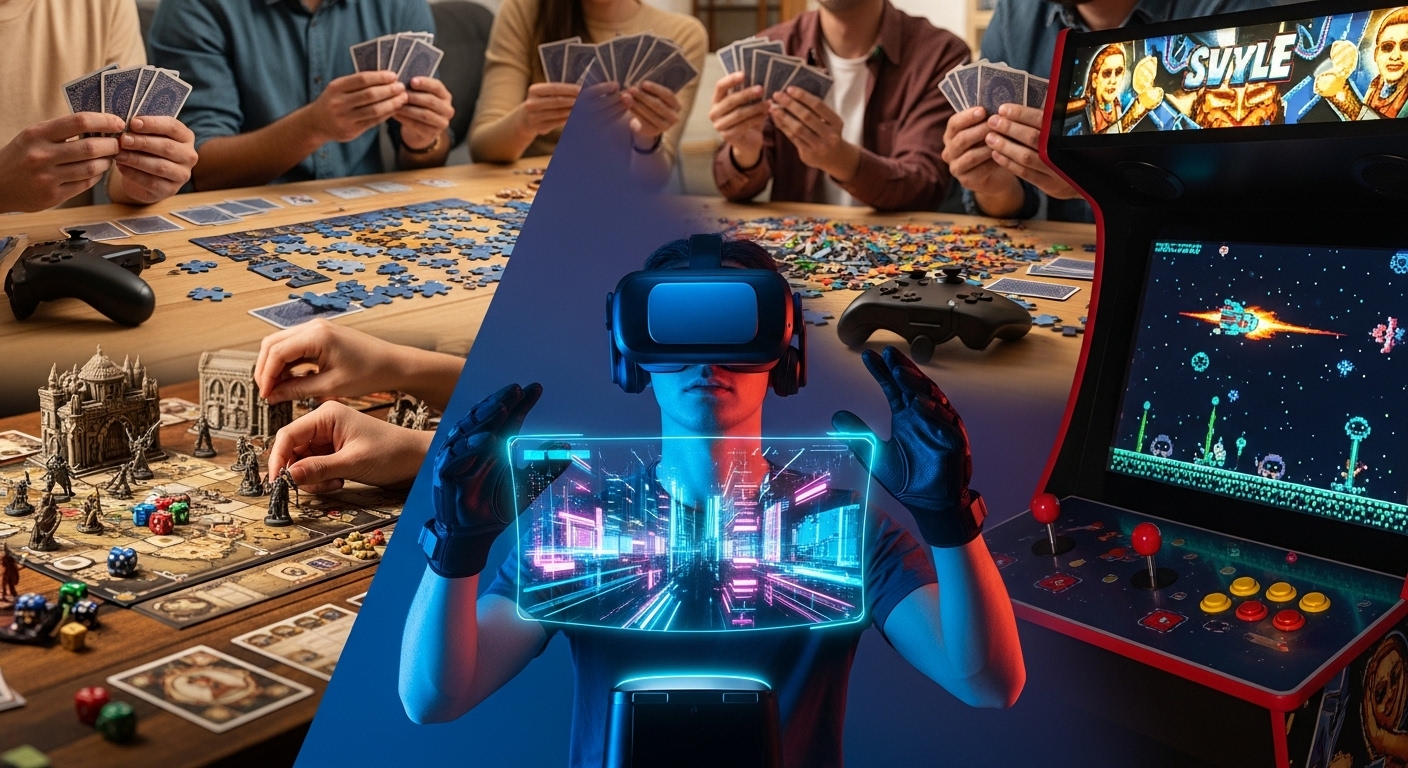
Games have been an integral part of human culture for centuries, evolving from simple board games played around a table to immersive digital worlds experienced through consoles, computers, and mobile devices. While many view gaming as a mere pastime, it is much more than that—it is a form of storytelling, a medium for social connection, and even a tool for education and personal growth. In this blog post, we will explore the various types of games, their impact on society, and why they continue to captivate players across generations.
The Evolution of Games
Games have a long history that dates back thousands of years. Early humans invented games using stones, sticks, and simple objects to challenge their minds and test their skills. Classic board games such as chess and backgammon provided intellectual stimulation and social interaction, while outdoor games like tag or hide-and-seek encouraged physical activity. With the advent of computers and digital technology, games transformed into interactive experiences that could combine complex narratives, stunning visuals, and multiplayer collaboration. Today, games exist in nearly every form imaginable, from casual mobile puzzles to expansive online worlds.
Types of Games and Their Appeal
The world of games is incredibly diverse, catering to a wide range of interests and preferences. Video games, for instance, often focus on immersive storytelling, challenging mechanics, or social interaction. Role-playing games allow players to step into the shoes of a character and explore vast fictional worlds, while strategy games challenge the mind to think several moves ahead. Puzzle games test logic and problem-solving skills, offering satisfaction through the completion of complex challenges. Sports games replicate real-life athletic competitions, appealing to both fans of the sport and competitive players. Each type of game offers a unique experience, and their appeal lies in the ability to engage players mentally, emotionally, and socially.
The Social Dimension of Gaming
One of the most remarkable aspects of modern gaming is its social dimension. Online multiplayer games bring together people from different countries and cultures, enabling friendships and communities to form through shared experiences. Cooperative gameplay fosters teamwork, communication, and strategic thinking, while competitive gaming allows players to test their skills against others in a safe and structured environment. Beyond online interaction, local gaming experiences, such as board games or party games, provide opportunities for family bonding and social connection. The social aspect of gaming highlights its potential as a bridge between people, creating shared experiences and memories.
Games as Storytelling Mediums
Games are no longer just about winning or completing objectives; they have become powerful storytelling tools. Narrative-driven games allow players to engage with complex characters, ethical dilemmas, and emotional journeys. Players make choices that shape the outcome of the story, providing a sense of agency that traditional storytelling mediums cannot offer. The combination of visual artistry, sound design, and interactive mechanics creates a deeply immersive experience, often leaving players emotionally invested in the story. Games like these blur the lines between literature, cinema, and interactive entertainment, demonstrating the medium’s potential for creativity and innovation.
Educational and Cognitive Benefits of Gaming
Contrary to the stereotype of gaming as a purely recreational activity, research has shown that games can offer significant educational and cognitive benefits. Strategy games enhance problem-solving, critical thinking, and decision-making skills, while puzzle games improve memory, spatial awareness, and attention to detail. Educational games are specifically designed to teach subjects such as mathematics, history, and science in a fun and engaging way. Even fast-paced action games have been linked to improved hand-eye coordination and reaction times. By combining entertainment with cognitive challenges, games provide a unique platform for learning and personal development.
The Role of Creativity in Gaming
Creativity is at the heart of both game development and gameplay. Game designers must combine storytelling, mechanics, and visual design to create engaging experiences. Players, on the other hand, often express creativity through in-game activities such as building structures, designing characters, or developing unique strategies. Sandbox games, where the possibilities are nearly limitless, encourage experimentation and innovation. This interplay of creativity between developers and players contributes to the richness of the gaming world and demonstrates how games can be a powerful medium for artistic expression.
The Cultural Impact of Games
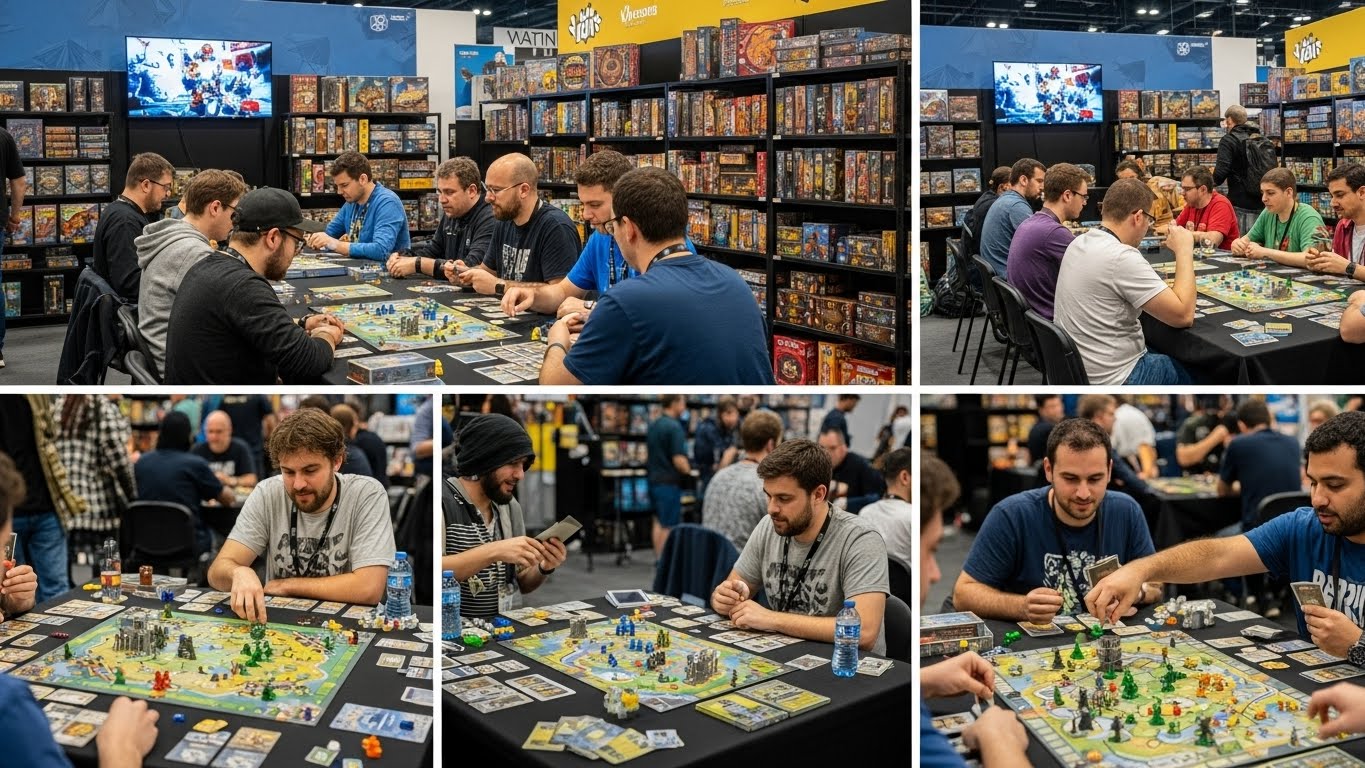
Games are not only entertainment; they are also a reflection of culture and society. Many games explore themes of morality, identity, politics, and social issues, allowing players to engage with complex topics in an interactive way. Video games have influenced popular culture, inspiring music, films, literature, and fashion. Gaming conventions and esports tournaments have become major cultural events, attracting fans and participants worldwide. The impact of games extends beyond individual players, shaping cultural trends and fostering a sense of global community.
The Future of Gaming
The future of gaming is filled with exciting possibilities. Advances in virtual reality and augmented reality promise fully immersive experiences where players can interact with digital worlds as if they were real. Artificial intelligence is enhancing gameplay by creating smarter, more adaptive opponents and dynamic storylines. Cloud gaming and streaming technologies are making games more accessible, allowing players to enjoy high-quality experiences without expensive hardware. As technology continues to evolve, games will likely become even more sophisticated, engaging, and integrated into daily life.
Conclusion
Games are more than just entertainment; they are a multifaceted medium that combines creativity, storytelling, social interaction, and personal growth. From ancient board games to modern digital adventures, the evolution of games reflects humanity’s desire for challenge, connection, and exploration. Whether for fun, learning, or social engagement, games continue to captivate and inspire players around the world. As technology advances and new genres emerge, the magic of games will undoubtedly remain a vital part of modern culture, offering endless possibilities for both players and creators.