
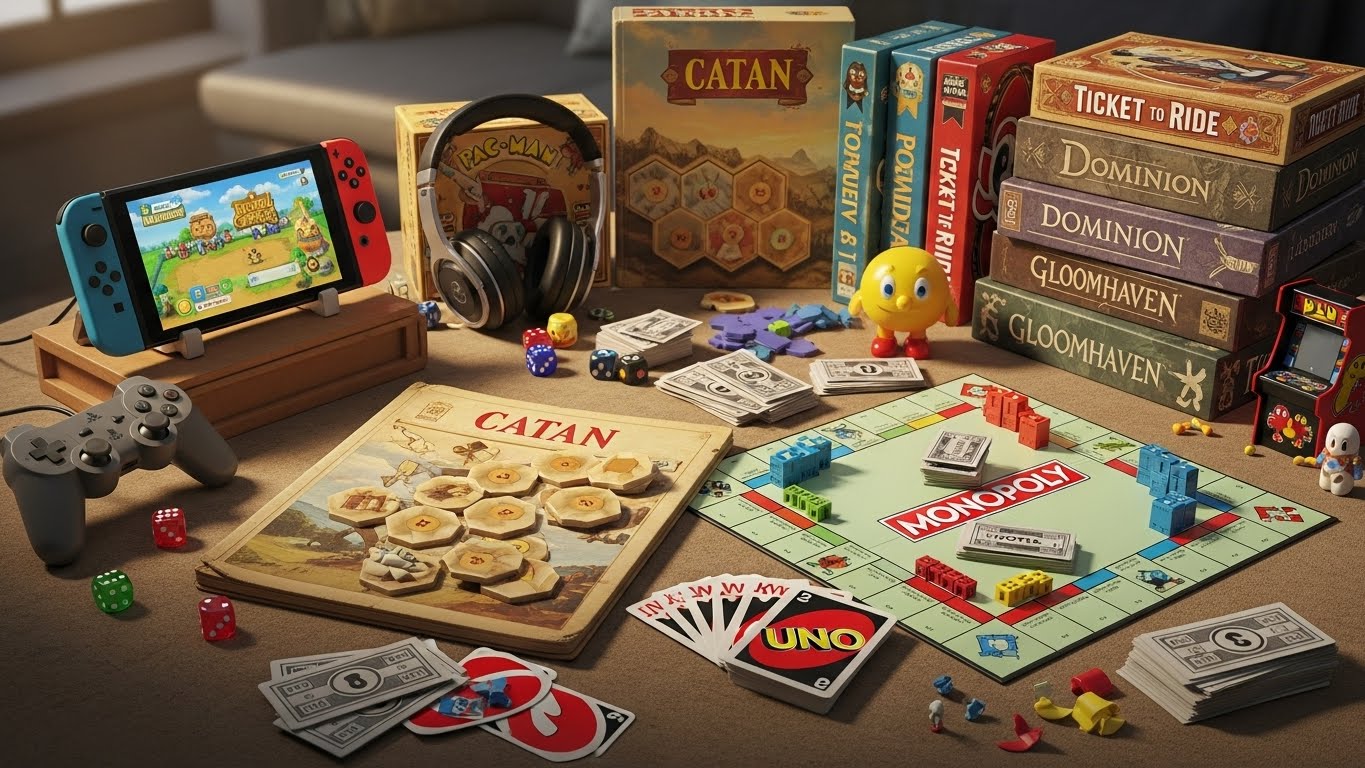
Games have been an integral part of human civilization for centuries, evolving from simple board games to highly immersive digital experiences. They are not merely a source of entertainment; they shape our cognitive abilities, social interactions, and even our perception of creativity. In today’s world, the term “games” encompasses a broad spectrum, ranging from traditional board games to virtual reality experiences, each offering unique experiences and challenges. This article delves into the fascinating world of games, exploring their diversity, impact, and the reasons they continue to captivate people of all ages.
The Evolution of Games
Games have a rich history that traces back thousands of years. The earliest forms of games were simple, often involving physical activity or basic strategic thinking. Ancient civilizations created games not only for leisure but also for education and spiritual purposes. Board games like Senet in ancient Egypt and Go in ancient China exemplify early attempts to combine strategy, skill, and entertainment. These games laid the foundation for the structured gaming experiences we see today.
With the advent of technology, games transformed dramatically. Video games emerged in the mid-20th century, bringing interactive entertainment to a whole new level. From pixelated adventures in arcades to complex, story-driven games on modern consoles, gaming has become a medium that merges storytelling, artistry, and interactivity. Today, the evolution continues with virtual reality and augmented reality games, blurring the lines between the physical and digital worlds.
The Psychology Behind Gaming
One of the reasons games are so compelling is the psychological engagement they offer. Games often tap into fundamental human desires such as achievement, competition, and social connection. Completing challenges, unlocking rewards, and progressing through levels trigger dopamine responses in the brain, creating a sense of satisfaction and accomplishment.
Furthermore, games provide a safe space for experimentation and learning. Players can take risks, make decisions, and face consequences without real-world repercussions. This aspect of games helps develop critical thinking, problem-solving, and decision-making skills. Multiplayer games, in particular, enhance social skills by encouraging teamwork, communication, and empathy as players collaborate or compete in dynamic environments.
The Diversity of Game Genres
The world of games is incredibly diverse, with genres catering to different preferences and play styles. Action games test reflexes and hand-eye coordination, providing fast-paced and adrenaline-fueled experiences. Adventure and role-playing games immerse players in elaborate worlds, where storytelling and character development take center stage. Strategy games challenge analytical thinking, requiring players to plan, anticipate, and adapt to ever-changing scenarios.
Simulation games offer a unique opportunity to experience real-life scenarios virtually, from managing cities to running farms or even piloting aircraft. Puzzle games stimulate cognitive skills and creativity, while sports and racing games recreate real-world competitions in a digital format. Each genre has its unique appeal, yet all share the common goal of engaging players in meaningful and enjoyable experiences.
Games as a Medium for Storytelling
Modern games are increasingly recognized as a powerful storytelling medium. Unlike traditional media, games offer interactive narratives where players actively shape the story. This level of engagement allows for deep emotional connections and memorable experiences. Players don’t just witness the story—they participate, influence outcomes, and develop personal attachments to characters and worlds.
Narrative-driven games often explore complex themes such as morality, identity, and human relationships. They provide immersive environments where players can experience alternate realities, encounter ethical dilemmas, and reflect on their choices. In this way, games have the potential to be as impactful and thought-provoking as literature, film, or theater, offering unique insights into the human experience.
The Social Impact of Games
Games have a profound social dimension, fostering communities and connections across the globe. Online multiplayer games allow players to interact with people from different cultures, forming friendships, alliances, and even professional teams. Esports, a rapidly growing industry, has turned gaming into a legitimate competitive sport, complete with tournaments, sponsorships, and global audiences.
Additionally, games can serve as tools for education and social change. Educational games make learning interactive and engaging, helping players develop skills in mathematics, language, science, and history. Socially conscious games tackle real-world issues, raising awareness about topics such as climate change, inequality, and mental health. Through these experiences, games become more than entertainment—they become instruments for learning, empathy, and positive societal impact.
The Role of Technology in Gaming
Technology has been the driving force behind the evolution of games. Advances in graphics, artificial intelligence, and processing power have transformed gaming from a simple pastime into a visually stunning and immersive experience. Modern consoles and PCs offer high-definition graphics, realistic physics, and intricate gameplay mechanics that captivate players.
Virtual reality and augmented reality have taken immersion to new heights, allowing players to interact with digital worlds in unprecedented ways. Motion controls, haptic feedback, and spatial audio enhance sensory experiences, making players feel truly present in the game environment. Cloud gaming and streaming platforms have further revolutionized access, enabling people to play high-quality games without expensive hardware. The intersection of technology and creativity continues to push the boundaries of what games can achieve.
The Cognitive Benefits of Gaming
Beyond entertainment, games offer numerous cognitive benefits. Strategy and puzzle games enhance problem-solving skills, memory, and attention to detail. Action games improve reaction times, hand-eye coordination, and multitasking abilities. Role-playing games stimulate imagination, creativity, and narrative comprehension.
Research has also shown that games can improve spatial awareness and decision-making under pressure. The complex environments and dynamic challenges presented in games require players to process information quickly and adapt strategies accordingly. These cognitive benefits extend beyond the gaming experience, positively influencing real-life skills and mental agility.
The Controversy Around Gaming
Despite the many benefits, gaming has faced criticism and controversy. Concerns about addiction, excessive screen time, and exposure to violent content are often cited by critics. While it is true that excessive gaming can have negative effects, moderation and responsible gaming practices mitigate these risks. Setting time limits, encouraging breaks, and promoting balanced lifestyles are essential steps for healthy gaming habits.
Moreover, not all games are violent or harmful. Many titles focus on creativity, problem-solving, education, and social engagement. Understanding the diverse nature of games and their potential impacts helps debunk common misconceptions and highlights the positive aspects of gaming culture.
The Future of Gaming
The future of gaming promises even more innovation and excitement. Emerging technologies like artificial intelligence, cloud computing, and advanced virtual reality are set to redefine interactive experiences. Games may become increasingly adaptive, responding dynamically to player behavior and preferences. Procedurally generated worlds, advanced AI characters, and fully immersive VR environments will blur the boundaries between games and reality.
Social gaming will continue to grow, connecting players worldwide and fostering global communities. Esports and competitive gaming are expected to gain further legitimacy as mainstream entertainment, while educational and socially conscious games will expand their influence in shaping young minds and raising awareness about pressing global issues.
Conclusion: Games as a Cultural Phenomenon
Games are far more than mere entertainment—they are a reflection of human creativity, social interaction, and technological advancement. From ancient board games to modern immersive experiences, games continue to evolve, offering unique ways to engage, learn, and connect. They stimulate the mind, evoke emotions, and foster relationships, making them a significant cultural phenomenon in contemporary society.
As technology advances and gaming becomes more accessible, the potential for innovation and impact grows exponentially. Whether you are a casual player, a competitive gamer, or an observer of gaming culture, the world of games offers endless opportunities to explore, challenge, and experience the extraordinary. The essence of gaming lies not just in playing but in the shared joy, creativity, and human connection that it fosters, making it one of the most compelling forms of modern entertainment.


