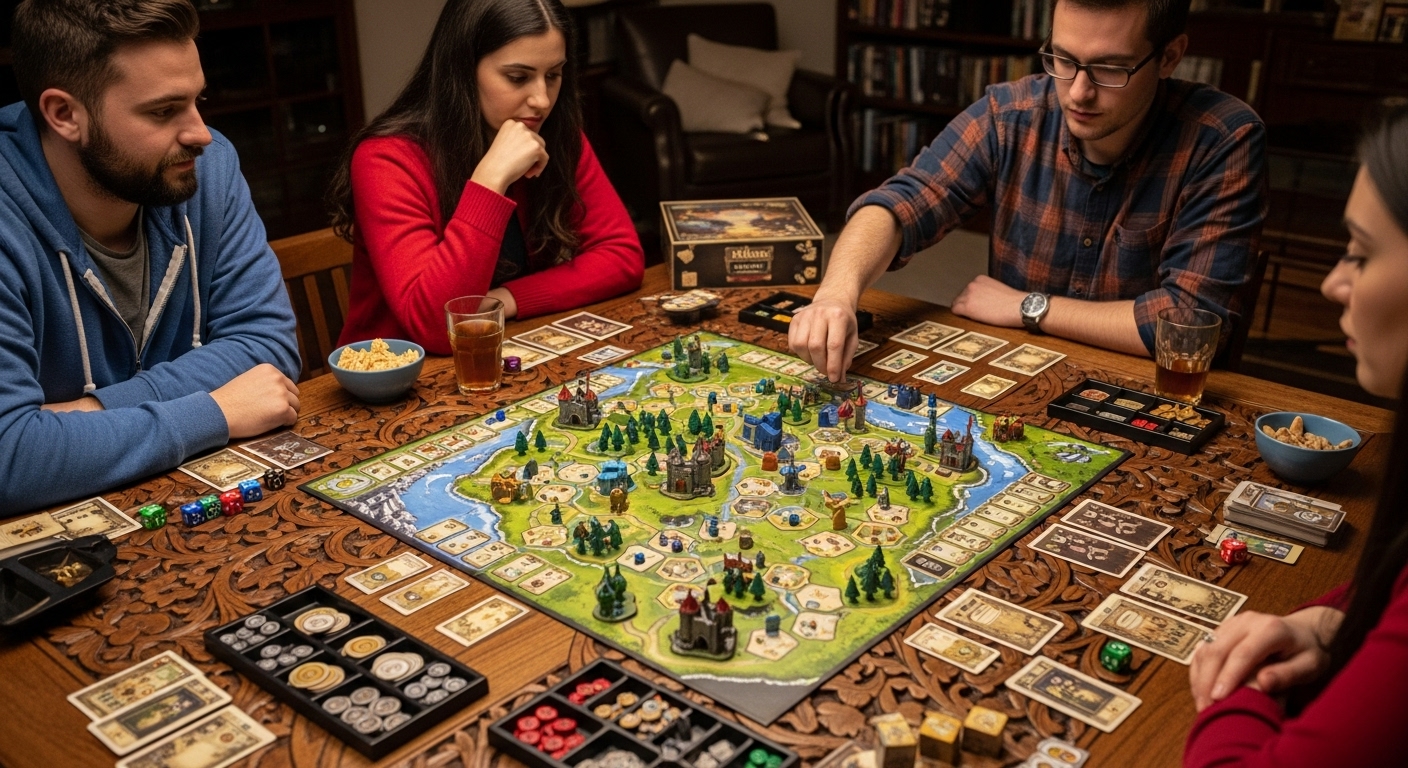
Video games have evolved into more than just entertainment; they are an art form that constantly pushes the boundaries of creativity, technology, and interactive storytelling. While many games follow familiar formulas and genres, there are a select few that stand out due to their uniqueness, whether it be in gameplay mechanics, narrative structure, or visual design. These games often challenge players’ expectations and offer experiences that can’t be easily replicated. In this blog post, we explore some of the most unique games in the industry, delving into what makes them special and why they have left lasting impressions on players.
1. The Rise of Innovation: Games That Break the Mold
The world of video games has traditionally been dominated by a handful of genres—platformers, first-person shooters, strategy games, and role-playing games (RPGs). While these genres continue to thrive, it is the games that break the mold and offer something truly different that capture the attention of gamers and critics alike. These are the titles that dare to experiment with the norms, creating experiences that feel fresh and different.
One of the best examples of this innovation is Journey, developed by Thatgamecompany. Released in 2012, Journey is often described as a meditative and emotionally evocative experience. The game’s minimalistic gameplay and stunning visuals create an atmosphere that is both serene and profound. What makes Journey so unique is its emphasis on exploration and emotional connection rather than traditional gaming mechanics. There is no combat, no complex puzzles, and no dialogue. Instead, players control a robed figure as they traverse a vast desert, encountering other players along the way. The game’s cooperative multiplayer mode is also distinctive, as players can interact with one another without speaking, relying solely on gestures and sound cues. Journey offers an experience unlike any other, using the language of video games to tell a powerful, wordless story.
2. Narrative-Driven Games: Redefining the Power of Storytelling
Narrative-driven games have long been a staple in the gaming industry, but some games elevate storytelling to new heights, presenting narratives in ways that are completely unique. One such game is The Stanley Parable, a first-person exploration game developed by Davey Wreden and William Pugh. At first glance, it seems like a simple office walking simulator. However, The Stanley Parable quickly subverts expectations by offering a narrative that is highly interactive and meta-aware. Players take control of Stanley, a man who discovers that his office building is completely empty. As they wander through the building, they encounter a narrator who provides commentary on their actions. The catch? The player can choose to either follow the narrator’s instructions or ignore them entirely, leading to a variety of different outcomes. The game explores themes of free will, choice, and the illusion of control, offering a truly unique commentary on the nature of video game narratives.
Another game that challenges the boundaries of narrative is Life is Strange, developed by Dontnod Entertainment. Life is Strange is an episodic adventure game that centers around Max Caulfield, a high school student who discovers she has the ability to rewind time. This mechanic allows players to manipulate the past and present, altering the course of events. What sets Life is Strange apart, however, is its deep emotional resonance and its handling of complex themes like friendship, identity, and loss. The choices players make throughout the game affect the narrative in meaningful ways, with multiple endings reflecting the consequences of those decisions. The game’s unique time-rewinding mechanic is not just a gameplay feature but a storytelling device that shapes the player’s relationship with the characters and the world around them.
3. Experimental Gameplay: The Rise of Mechanics as Art
While narrative is often the focal point in many games, there are also titles that stand out due to their innovative gameplay mechanics. These games often prioritize experimentation, using gameplay as a form of artistic expression rather than simply a tool for player engagement.
A great example of this is Antichamber, a first-person puzzle game developed by Alexander Bruce. Antichamber takes place in a world where the rules of space and physics seem to be constantly shifting. Players must solve puzzles that defy traditional logic, requiring them to think outside the box and question their assumptions about the game world. What makes Antichamber so unique is its ability to create a sense of disorientation and wonder through its surreal environments and unconventional puzzle mechanics. Every turn offers a new challenge, often forcing players to abandon conventional thinking in favor of more abstract solutions. The game’s minimalist design and unconventional mechanics make it a standout in the genre of puzzle games.
Another game that challenges traditional gameplay mechanics is Braid, developed by Jonathan Blow. Braid is a side-scrolling puzzle platformer that incorporates a time manipulation mechanic, where players can rewind time to solve puzzles and correct mistakes. What sets Braid apart, however, is the way in which time is woven into the narrative itself. As players progress through the game, they begin to uncover a deeper, more complex story about regret, forgiveness, and the consequences of one’s actions. The game’s unique mechanics are perfectly integrated into its narrative, creating a seamless experience that is both intellectually stimulating and emotionally engaging.
4. Surreal and Artistic Visual Design: The Beauty of Video Games
While gameplay mechanics and narratives are often the focal points of most games, the visual design of a game can also play a crucial role in its uniqueness. Games with distinctive art styles and visual aesthetics can create experiences that are both visually stunning and emotionally evocative.
One game that is renowned for its artistic design is Gris, developed by Nomada Studio and published by Devolver Digital. Gris is a side-scrolling platformer with a striking watercolor art style and a muted color palette. The game follows Gris, a young woman who navigates a world of sorrow and loss. As she progresses through the game, the world around her slowly becomes more colorful and vibrant, symbolizing her emotional growth and healing. The game’s art direction is a key part of its storytelling, with the visuals and music working in harmony to evoke a sense of melancholy, hope, and redemption. The game is a perfect example of how video games can use visual design to communicate complex emotions and themes in a way that is both beautiful and impactful.
Another visually unique game is Okami, developed by Clover Studio and published by Capcom. Okami is a stunning action-adventure game set in a world inspired by Japanese mythology and folklore. The game’s visual design is heavily influenced by traditional Japanese ink paintings, giving it a distinct and timeless look. Players control Amaterasu, the sun goddess who takes the form of a white wolf, as she embarks on a quest to restore color and life to the world. The game’s art style, combined with its beautiful soundtrack and inventive gameplay mechanics, creates a truly memorable experience. Okami stands as a testament to the power of visual design in video games, proving that a game’s art style can elevate it to new artistic heights.
5. The Future of Unique Games: Pushing Boundaries Even Further
As technology continues to advance, the potential for creating even more unique and innovative games grows exponentially. Developers are no longer constrained by the limitations of earlier hardware and are free to experiment with new ideas and concepts that were once impossible. Virtual reality (VR) and augmented reality (AR) have opened up new possibilities for immersive gaming experiences, while artificial intelligence (AI) is being used to create more dynamic and responsive worlds.
One game that pushes the boundaries of what’s possible in terms of immersion is Half-Life: Alyx, a VR-exclusive title developed by Valve. Half-Life: Alyx is set in the Half-Life universe and combines the series’ trademark storytelling with the interactivity of virtual reality. The game makes full use of VR technology, allowing players to physically interact with the environment, manipulate objects, and engage in combat in ways that feel completely natural. The level of immersion in Half-Life: Alyx is unparalleled, offering a truly unique gaming experience that could only be realized through the medium of VR.
Looking ahead, it’s clear that the future of unique games will be shaped by new technologies and creative minds. As the gaming industry continues to evolve, players can expect to encounter even more innovative and groundbreaking titles that challenge the conventions of what a video game can be.
6. Conclusion: The Endless Possibilities of Unique Games
In the world of video games, uniqueness is what separates the good from the great. While many games follow established formulas, it is the titles that dare to innovate—whether through gameplay, storytelling, visual design, or a combination of all three—that leave the most lasting impressions. The games we’ve explored in this post are just a few examples of how the medium continues to push the boundaries of creativity and artistic expression.
As technology advances and new ideas continue to emerge, we can only imagine what the future holds for unique gaming experiences. One thing is for certain: the world of gaming will continue to surprise, challenge, and inspire players in ways we never thought possible.