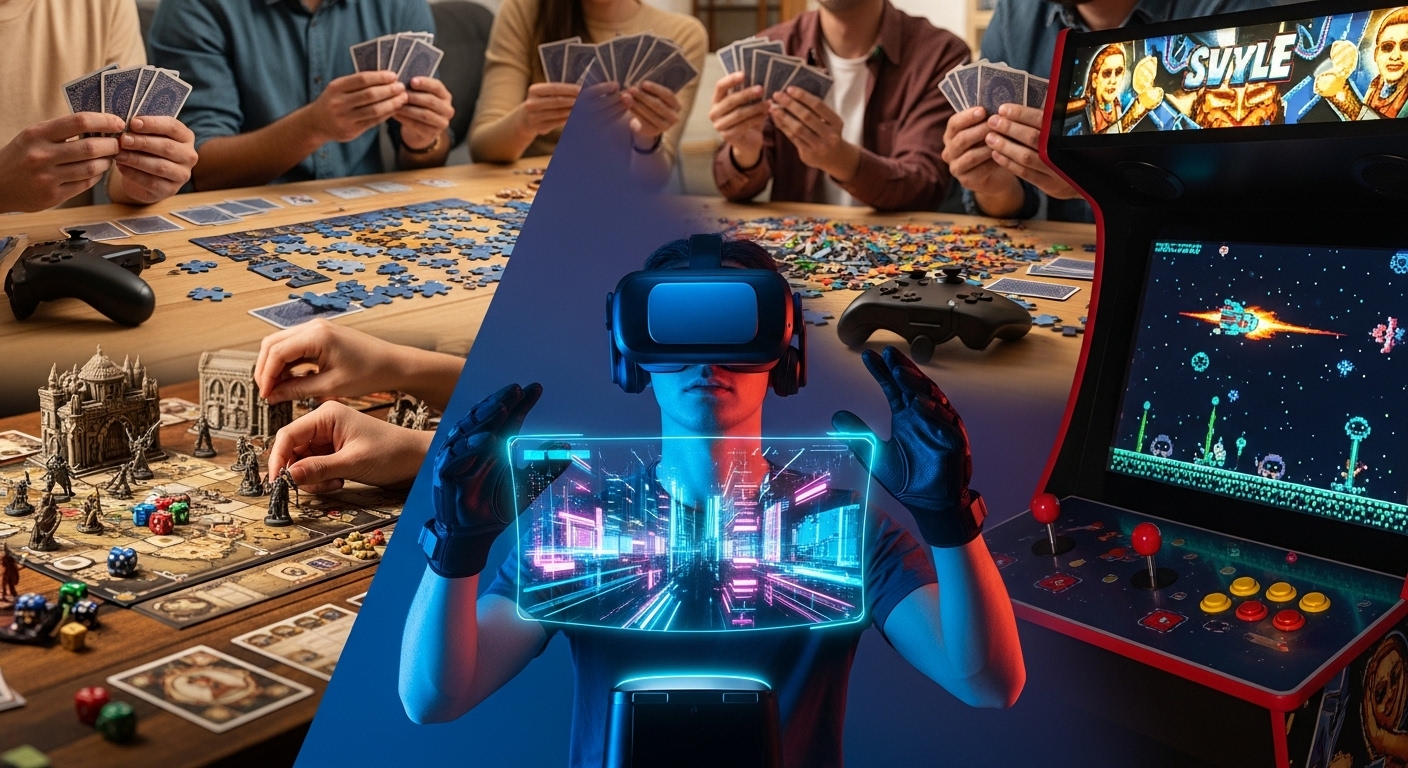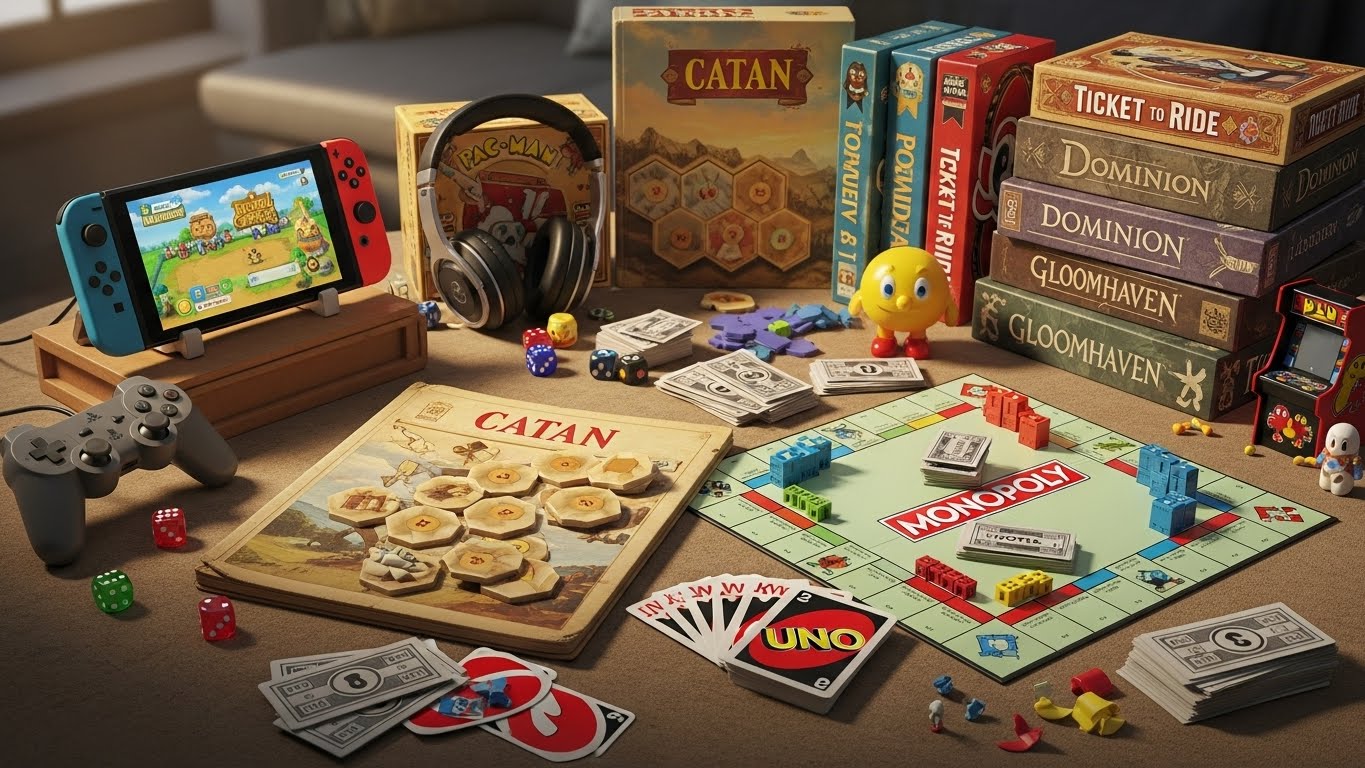

Gaming has evolved far beyond its humble beginnings, transforming from simple pixelated screens to immersive virtual worlds. With each leap in technology, the gaming experience has become more engaging, inclusive, and accessible. This blog post explores how gaming has developed over the years, the impact of these changes on players, and the exciting future that lies ahead.
The Early Days of Gaming: A Simple Start
The history of gaming dates back to the 1950s and 1960s when early computer scientists began creating simple games to test computing power. These games, though rudimentary, paved the way for what we now know as the gaming industry. The first widely recognized video game, Pong, was released in 1972 by Atari. It was a basic game of digital ping-pong but was revolutionary at the time, marking the beginning of the gaming era.
In the 1980s, arcade machines became a cultural phenomenon. With titles like Pac-Man, Space Invaders, and Donkey Kong, gaming became more widely accessible to the public. These arcade games were simple, yet they captured the imagination of millions, establishing gaming as a form of entertainment for the masses.
The Rise of Consoles: Bringing Gaming Home
In the 1990s, home consoles like the Super Nintendo Entertainment System (SNES) and Sega Genesis revolutionized gaming. For the first time, players could enjoy high-quality games from the comfort of their own homes. The graphical leap from 8-bit to 16-bit games, combined with increasingly complex gameplay mechanics, helped shape gaming into a serious entertainment medium.
Sony’s PlayStation, released in 1994, marked another pivotal moment in the gaming world. With its ability to render 3D graphics, the PlayStation opened the door to more expansive and visually stunning games, such as Final Fantasy VII, Gran Turismo, and Metal Gear Solid. These games introduced players to intricate storytelling, deep character development, and immersive worlds, setting a new standard for future generations.
Online Gaming and the Expansion of Multiplayer Worlds
The early 2000s ushered in a new era with the rise of online gaming. Broadband internet made it possible for players to connect with each other across the globe, opening up new opportunities for competitive gaming and social interaction. Titles like Halo 2, World of Warcraft, and Counter-Strike allowed players to battle it out in real-time against others, creating a sense of community and camaraderie that was previously impossible.
This shift to online multiplayer gaming also introduced the world to esports, a billion-dollar industry that now draws millions of viewers to its events. Games like League of Legends, Fortnite, and Overwatch have become more than just pastimes—they are cultural phenomena that influence music, fashion, and even social trends.
The Age of Mobile Gaming: Games Anywhere, Anytime
In the 2010s, mobile gaming surged in popularity with the advent of smartphones. Games like Angry Birds, Clash of Clans, and Pokémon Go allowed people to play games on the go, making gaming even more accessible. With mobile technology becoming more advanced, games have evolved to offer high-quality experiences on small screens, allowing gamers to enjoy titles that were once reserved for consoles or PCs.
The impact of mobile gaming has also led to a democratization of game development. Independent developers, previously limited by the need for expensive hardware, have been able to create and release games on platforms like the App Store and Google Play. This has led to the rise of innovative, creative games that might not have been possible in the traditional console or PC market.
Virtual Reality: Entering New Realms
One of the most exciting developments in the gaming world today is virtual reality (VR). VR technology, which immerses players in a 3D environment, has opened up entirely new ways to experience games. With systems like the Oculus Rift, HTC Vive, and PlayStation VR, players can physically interact with the game world, turning gaming into a fully immersive experience.
While VR is still in its infancy, it has already demonstrated the potential to revolutionize how games are played. Titles like Beat Saber and Half-Life: Alyx have garnered critical acclaim, offering players a new level of immersion and interaction. As VR technology continues to improve, the possibilities for gaming are limitless.
The Future of Gaming: AI, Cloud Gaming, and Beyond
As we look to the future, several emerging technologies are poised to take gaming to new heights. Cloud gaming, for example, allows players to stream games directly from servers, eliminating the need for expensive hardware. Services like Google Stadia and Xbox Cloud Gaming are already making it easier for players to access high-quality games without owning a gaming console or PC.
Artificial intelligence (AI) is another area that promises to reshape gaming. AI-driven NPCs (non-playable characters) are becoming increasingly sophisticated, with the potential to offer more dynamic, responsive, and intelligent interactions. Games are also using AI to adapt to a player’s style, making each experience unique.
Additionally, we may soon see the integration of more advanced AR (augmented reality) technologies that blend the virtual and physical worlds even more seamlessly. Imagine playing a game where your living room becomes part of the battleground or your backyard transforms into a mythical landscape. The possibilities are endless.
Conclusion: The Endless Horizons of Gaming
From its early days of pixelated screens to the immersive virtual worlds of today, gaming has come a long way. What started as a simple pastime has grown into a global cultural phenomenon, one that continues to push boundaries and redefine entertainment. With emerging technologies like VR, AI, and cloud gaming, the future of gaming looks incredibly exciting. For gamers and developers alike, the journey is far from over—there are still countless new worlds to explore, stories to tell, and innovations to discover.
As gaming continues to evolve, it’s clear that it will remain an essential part of our entertainment landscape for years to come. The future of gaming is bright, and it promises to be an adventure like no other.